
Menu
Less Road. More Xinjiang.
Kashgar: A City Story on the Silk Road
Places, seasons, transfers and practical details to shape your journey.
One-line answer
Kashgar, at China’s far western edge, is one of the Silk Road’s most stirring names. For over two millennia, it has been the crossroads of East and West — over the Pamirs lies Central Asia, and eastward along the edge of the Taklamakan Desert stretches the route to the Chinese heartland. Today, Kashgar may be the only city in China where you can still feel the ancient Silk Road pulse through everyday life: coppersmiths hammering handcrafted wares in ochre-walled alleys, Uyghur elders strumming the rawap and singing timeless muqam melodies in tea houses, the air permanently laced with the scent of baked samsa and cumin. Here, history isn’t sealed in a museum — it flows through the streets, every single day.
A Brief History
Kashgar’s recorded history stretches back to the 2nd century BC, when Zhang Qian, China’s great Silk Road explorer, documented the city then known as “Shule” — the gateway from the Tarim Basin into Central Asia, where caravans converged and camel bells mingled. In the 10th century, the Karakhanid dynasty made it their capital, and Islamic culture took root. By the medieval era, Kashgar was one of Central Asia’s most prosperous trading hubs — silk, tea, jade, and spices changed hands, while Persian merchants, Indian monks, and Turkic nomads brushed shoulders in its bazaars. Under the Qing Dynasty’s Qianlong Emperor, Kashgar was formally integrated into China. Today it is both a National Historic and Cultural City and a frontline window of the Belt and Road Initiative — and between its old-city mudbrick walls and the distant Pamir snow peaks, two millennia of stories continue to unfold.
Kashgar Old City
This is the soul of Kashgar — the place you should dive straight into and not hurry to leave.
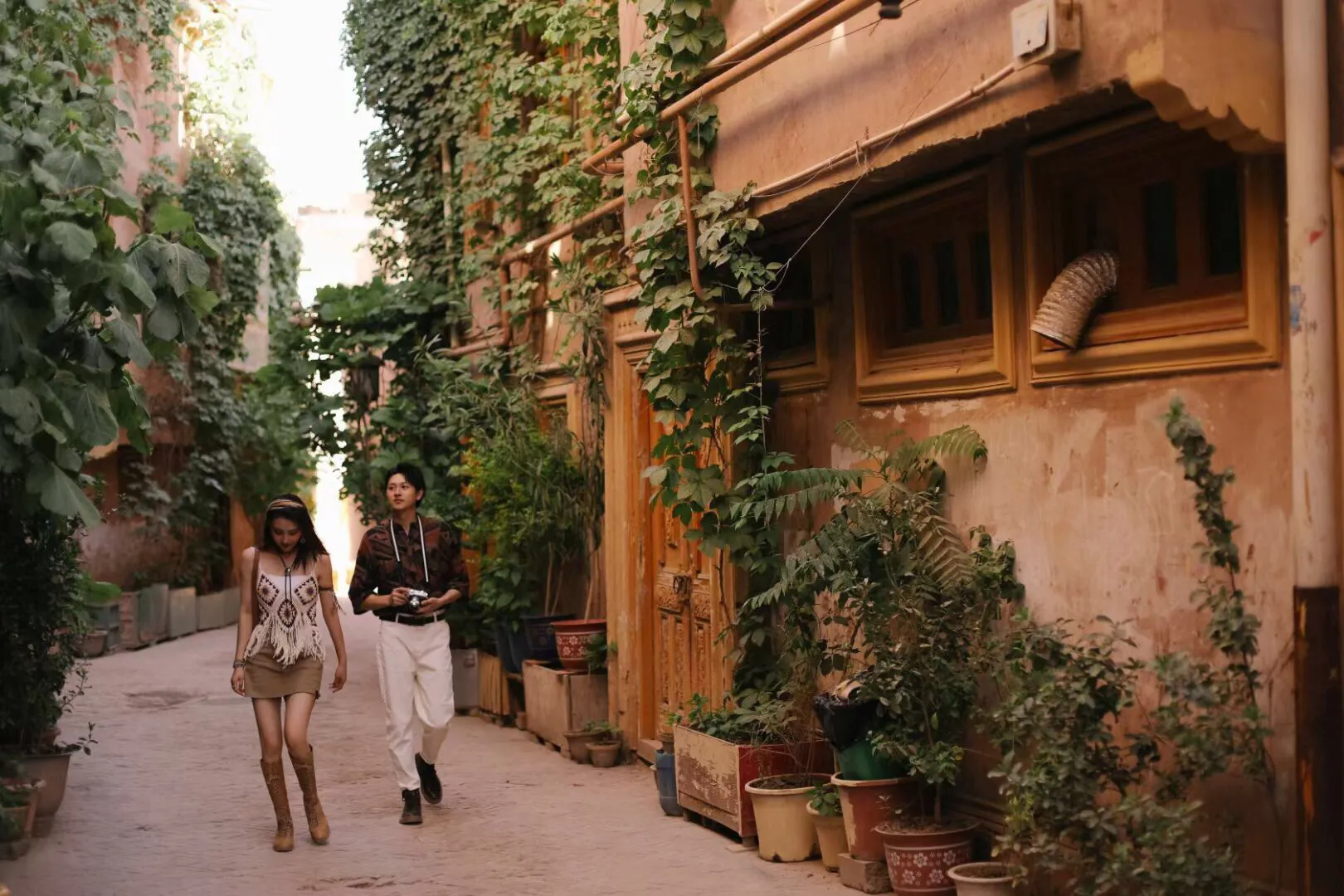
The entire old city is a labyrinth of ochre-colored rammed-earth architecture, its winding alleys home to generations of Uyghur families. Unlike gated, ticketed “old towns” elsewhere, Kashgar’s is alive — children kick footballs through the lanes, housewives sprinkle water to settle the dust, and the clang of coppersmiths’ hammers rings from dawn to dusk. The most captivating details are the brilliantly painted carved wooden doors and window frames, and grapevines spilling over courtyard walls — every random alley begs for a photograph.
A few stops deserve special mention: the Century-Old Tea House, where a pot of rose tea and a piece of naan on the second-floor balcony will reward you with the sight of local elders gathered in song, time itself seeming to slow by a full century. Zhiren Bazaar (the craftsmen’s market), where you can watch coppersmiths, woodcarvers, and potters at work up close — a handmade Yingjisha knife or a Kashgar clay bowl makes a far better souvenir than anything mass-produced. And if you’re here on a Sunday, do not miss the Livestock Bazaar on the city’s outskirts: thousands of sheep traded on a dusty open plain, deals sealed with handshakes and the ancient sleeve-covering bargaining gesture still in use — this is Kashgar at its rawest and most real.
Confirm opening ceremonies, markets and performances for the day, and connect them with teahouses, craft streets and an Old City walk.
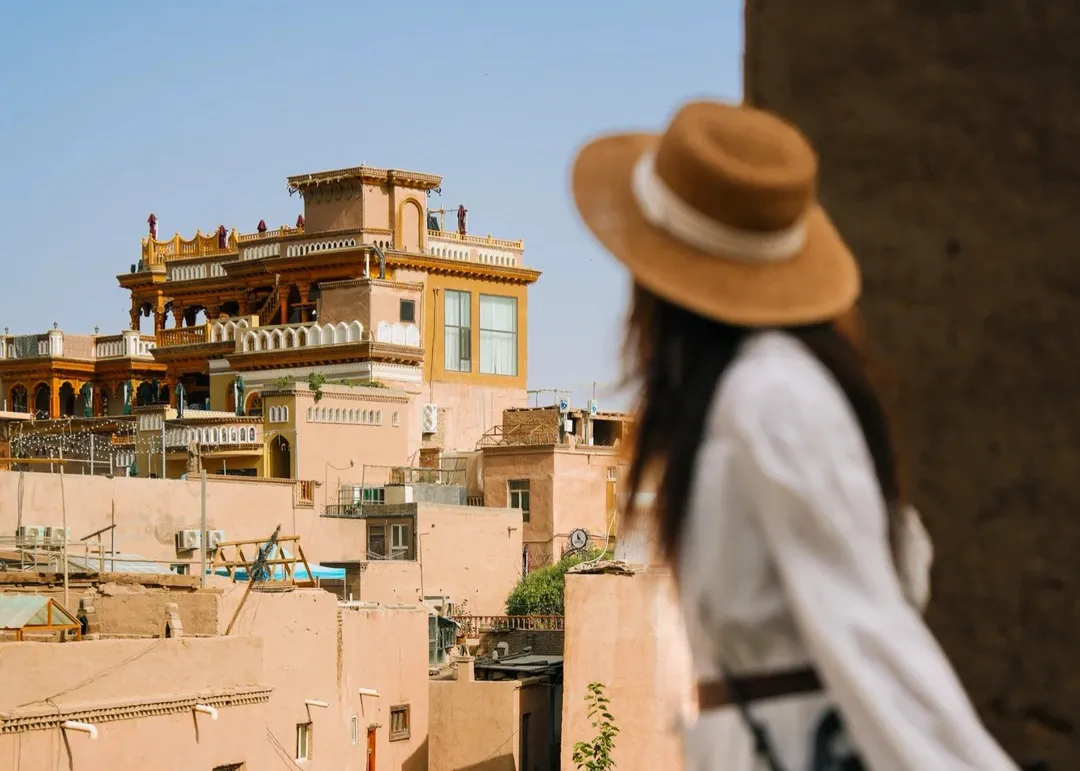
Id Kah Mosque
Confirm Id Kah Mosque visiting or prayer arrangements in advance and follow dress, photography and access rules on site.
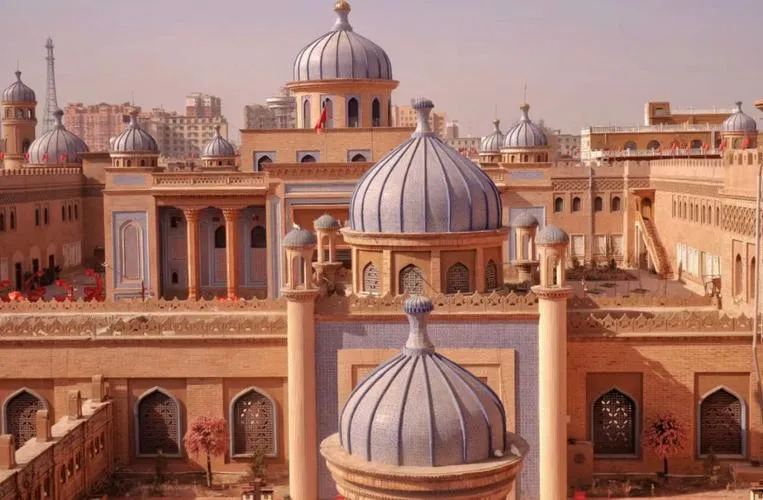
Baisha Lake: sand mountains and water
Baisha Lake on the Pamir road lies in the Bulunkou area, where pale sand mountains meet blue water. Use open designated viewpoints rather than unconfirmed tracks to the shore. Prepare for wind and cold.
For the Pamirs and other border areas, share your nationality and intended stops before booking so the team can confirm access, documents and processing time. A permit does not mean every location is open to every traveller.
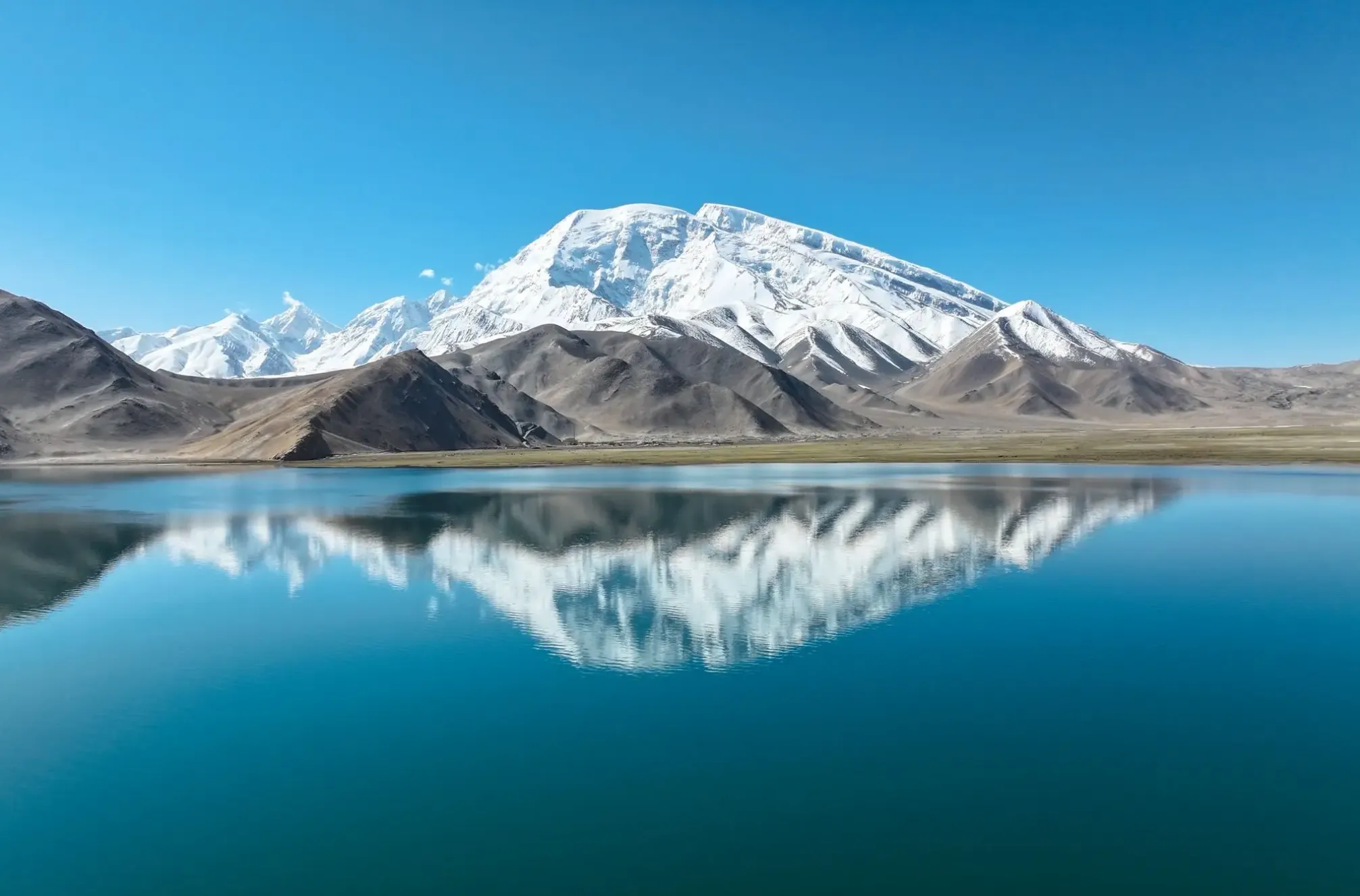
Karakul Lake and Muztagh Ata
Enjoy mountain views and reflections from this high-altitude lakeshore. Calm, clear conditions favour photography. Confirm lakeside activities and horse riding with the authorised operator for the day.
Plan high-altitude travel around health and acclimatisation. Children can also develop altitude illness. Seek medical advice before travel if you have a heart or lung condition. Stop ascending if symptoms develop; worsening symptoms require descent and medical help.
Tashkurgan: Stone City and Golden Grassland
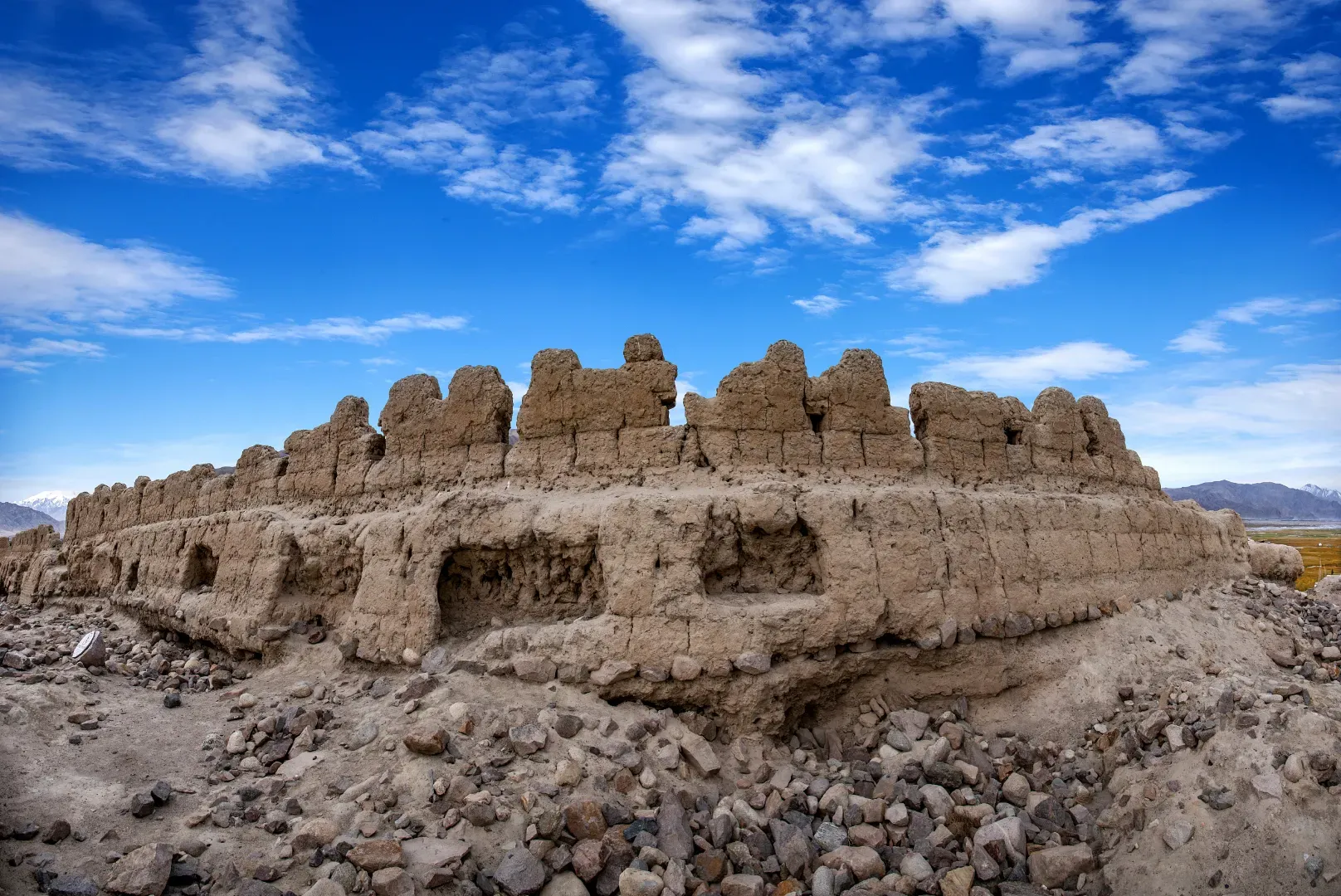
Tashkurgan is a town base for the Pamir journey. Stone City and Golden Grassland combine history with mountain scenery; explore open boardwalks and river views.
Local Tajik culture is part of the experience. Family visits, music or dance activities require host consent and advance arrangements.
Planning Kashgar and the highlands
Spring and autumn suit city walks; in summer, favour morning and evening. Pack windproof and warm layers for the Pamirs even in summer.
See the practical advice above.
See the practical advice above.
Try baked buns, pilaf, naan and rose tea in Kashgar, choosing restaurants for your dietary needs. Confirm religious-site, market and performance schedules before travel.