Private Journeys · Western China
What to Pack for a Trip to Xinjiang — A Complete Guide for Foreign Travelers
Visas, Accommodation, Packing, Skincare & Compliance — Everything You Need to Know Before You Go
One-line answer
Before you pack your bags, read this: from visa applications and frontier permits to booking licensed hotels, dressing for extreme temperature swings and protecting your skin in bone-dry weather, this all-in-one checklist covers everything a foreign traveler needs to prepare for Xinjiang — so you can sidestep every common pitfall before it happens.
1. Essential Documents and Formalities
Passport and Visa
Make sure your passport has at least 6 months of remaining validity, and apply for a Chinese tourist visa (L-type) well in advance. Thanks to China's steadily expanding visa-free policy, citizens of dozens of countries — including Singapore, Malaysia, Thailand, Australia, the United States, the United Kingdom, France, Germany, Italy, Spain and the Netherlands — can now enter mainland China visa-free for tourism stays of up to 30 days; the list is adjusted periodically, so confirm the current policy for your passport before booking. Upon arrival, keep your boarding pass and entry card safe — you may need them later in your journey.
Frontier Permits
If your itinerary covers border areas such as Tashkurgan County, the Pamir Plateau, Baihaba, or the Khorgos Port, a frontier permit is mandatory. Since April 15, 2026, border passes are fully electronic: Chinese citizens can apply online through the 12367 app, while foreign travelers apply in person (free of charge) at the exit-entry administration offices in Urumqi or Kashgar — or have a licensed travel agency arrange it at least 7 days in advance. Do not leave this until the morning of departure.
Document Backups
Security checks are routine and frequent across Xinjiang — at scenic spots, hotels, and on the road. Always carry your original passport with you. We also strongly recommend snapping photos of your passport's main page and visa page and saving them on your phone, plus keeping a few paper photocopies handy just in case.
2. Clothing and Outfit Tips
Layering Is Everything
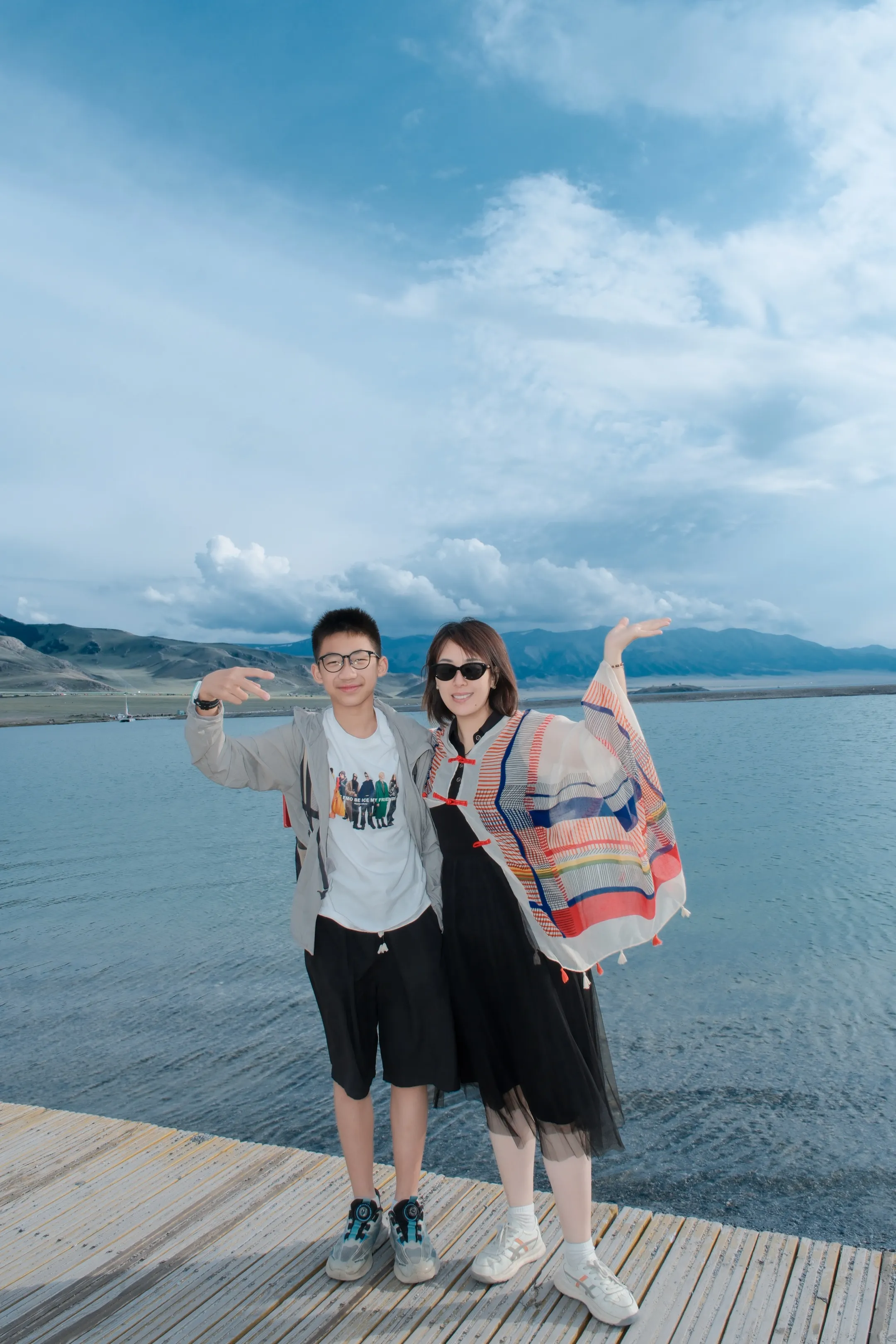
Day-to-night temperature swings in Xinjiang can be dramatic — up to 15 to 20 degrees Celsius. Even in the height of summer, if your journey takes you into the northern mountain regions or high-altitude areas, a windproof and warm outer layer is non-negotiable. Think: a shell jacket with a fleece liner, or a lightweight down jacket. During the day, short sleeves or thin long sleeves work fine; come evening, you will be very glad you packed that extra layer. Our rule of thumb: better to bring one jacket too many than shiver through a sunset you were supposed to enjoy.
Comfortable Footwear
Pack a good pair of slip-resistant hiking shoes or sturdy sneakers. You will be traversing grasslands, gravel gobi, and canyon terrain — high heels or thin-soled flats simply won't cut it here. A reliable pair of shoes makes the difference between a tiring slog and an effortless adventure.
Sun and Wind Protection Accessories
A wide-brimmed sun hat is essential — pick one with a chin strap, because the wind in Xinjiang means business. Polarized sunglasses, a sun scarf, or a bandana rounds out your kit. They shield you from sun and wind-blown sand, and they happen to look fantastic in photos too.
3. Sun Protection and Skincare
High-Strength Sun Protection
The UV intensity in Xinjiang is no joke — we are talking about sun that can burn unprotected skin in under half an hour. Bring SPF50+ with PA++++ rating and reapply diligently every 2 to 3 hours. Physical barriers are equally important: sunglasses, UV arm sleeves, and a sun-blocking face mask. Cover whatever you can.
Deep Moisturizing
Xinjiang's air is extremely dry. Many travelers only realize this when their lips crack and their fingers start peeling — by then it is too late. Pack a rich moisturizer, lip balm, hand cream, and body lotion. We also highly recommend bringing an aloe vera gel for post-sun soothing, and a nasal saline spray to prevent nosebleeds caused by dryness. That last one is the little thing nobody thinks of but everyone is grateful to have.
4. Daily Essentials and Emergency Items
Electronics
A high-capacity power bank (under 20,000mAh to meet carry-on flight regulations) and your phone charger go without saying. One crucial note for foreign travelers: China's wall socket standard may differ from your home country, so pack a power adapter in advance. Arriving at your hotel only to find you cannot charge your devices is a headache you simply do not need.
Payment and Cash
In major cities like Urumqi, WeChat Pay and Alipay are widely accepted at shopping malls and tourist attractions. That said, we advise linking an international credit card ahead of time and exchanging a small amount of RMB in cash (200 to 500 yuan is plenty) for remote villages, roadside stalls, or moments when the mobile signal decides to take a break.
Medications
Gastrointestinal medicine is a must — Xinjiang's roast lamb and fresh melons are so delicious that overindulgence is practically guaranteed, and your stomach may disagree with your enthusiasm. Motion sickness pills are equally useful, because winding mountain roads are everywhere and even those who never get carsick sometimes struggle here. Also pack band-aids, cold medicine, and any personal prescription medications you regularly take.
Connectivity
We strongly suggest getting a local Chinese SIM card upon arrival, or activating international roaming before you leave home. Xinjiang is vast and signal dead zones are not uncommon — you want to be able to navigate and reach your guide even when you are off the beaten path.
5. Pitfalls to Avoid and Compliance Reminders
Restricted Zones
Certain border areas and military zones — including the Khunjerab Pass, parts of Baihaba, and sections of the Bayanbulak stretch of the Duku Highway — are closed to ordinary foreign tourists. Before setting off, always have your travel agency verify the legality of your entire route. Do not just draw a line on the map and hit the road; getting turned away at the gate after hours of driving is a heartbreak best avoided.
Cultural Etiquette
Xinjiang is home to multiple ethnic groups with rich and distinct traditions. When entering a mosque, dress modestly, remove your shoes, and keep your voice low. Pork is strictly forbidden in halal restaurants, and alcohol is not permitted. Before photographing local residents, smile and ask for their permission first — this is basic courtesy, and it often earns you a warmer, more natural smile in return.
Photography No-Nos
Wherever you encounter military facilities, security checkpoints, or any sensitive installations, photography is strictly prohibited. Do not test this rule — it is not merely a matter of politeness; it can land you in real trouble you absolutely do not want on your holiday.
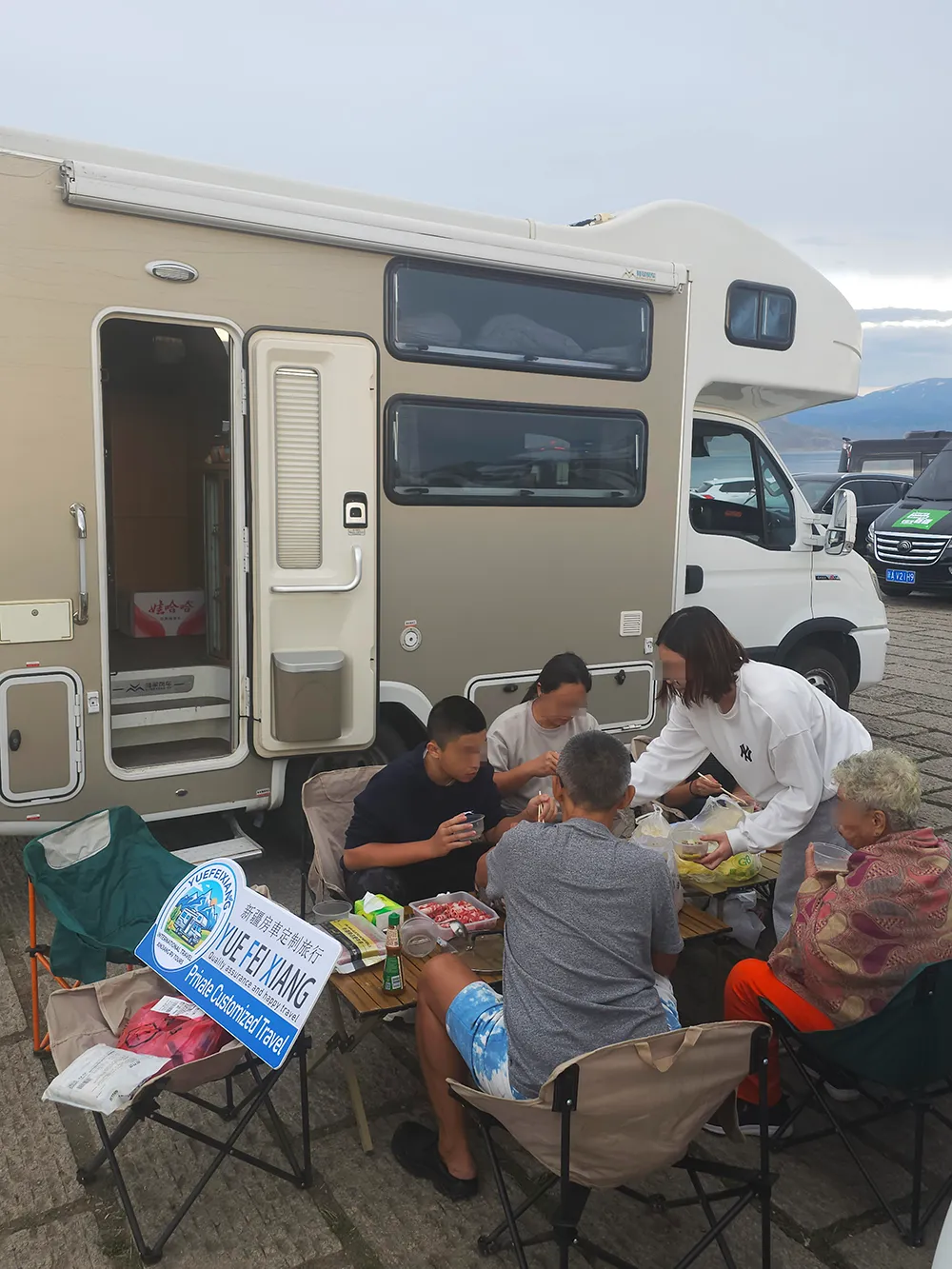
Before you go, run through this checklist and tick every box — you will have already cleared the biggest hurdles before your journey even begins. And here is the real shortcut: as a foreign traveler, instead of wrestling with complicated visas, frontier permits, foreign-guest hotel bookings and route compliance issues all on your own, simply hand it all over to us — Yuefeixiang International Travel. We bring years of hands-on experience in hosting international guests across Xinjiang, with every regulatory detail at our fingertips. From document processing to private charters, from hotel arrangements to deeply personalized itineraries, we handle it all so smoothly you will barely notice the work behind the scenes. You just pack your sense of adventure. Let us take care of everything else.
6. Packing by Season: Summer, Autumn & Winter
Summer (June–August): short sleeves or light long sleeves, a UV shirt, and a light windproof jacket for cool mountain evenings; sun hat, sunglasses, arm sleeves; rain gear — mountain afternoons often bring quick showers.
Autumn (September–October): mid-layer warmth plus a light down jacket or fleece; sunrise viewpoints at Kanas and Hemu can be near freezing, so gloves and hand warmers pay off; photographers should pack extra memory cards.
Winter (November–March): heavy down jacket, thermal base layers, slip-resistant winter boots, gloves and scarf; temperatures below -20°C are common at Kanas and Hemu, and cold drains phone batteries fast — keep devices warm.
Universal rule: whatever the season, layering plus one windproof outer layer is never wrong.
7. Health and Altitude Sickness Prevention
Some of Xinjiang's highlights sit at real altitude: Tashkurgan on the Pamir Plateau is about 3,100m, passes around Kanas exceed 3,000m, and the highest point of the Duku Highway reaches 3,390m. On arrival, move slowly, hydrate well, and skip alcohol — most travellers adapt within a day or two.
If you are sensitive to altitude, consult your doctor in advance and carry medication. Severe headache or vomiting means descend immediately and seek medical help.
The dry climate is the other hidden challenge: drink plenty of water and keep lip balm and a nasal spray handy — Xinjiang's dryness makes itself known on day one.
8. Luggage, Payments & Connectivity
Luggage: for RV and private-van trips, soft duffels are far easier to stow than hard-shell suitcases. Keep a small daypack for your passport, water and a warm layer — temperatures change fast, so your jacket should be within arm's reach.
Payments: WeChat Pay and Alipay dominate in cities like Urumqi. Link an international credit card before you leave and carry a small amount of RMB (200–500 yuan) for remote villages. Many foreign cards can be linked directly to Alipay or WeChat Pay.
Connectivity: some international apps and websites are not accessible in mainland China. Download offline maps (e.g., Maps.me) in advance, confirm the messaging apps you rely on (WhatsApp/WeChat) work for you, and consider a local SIM or international roaming for data.
Want to turn this guide into your own route?
Send us your month, group size and preferred pacing. We can turn this guide into a route that fits your real trip.