
Menu
Less Road. More Xinjiang.
What to Pack for a Trip to Xinjiang — A Complete Guide for Foreign Travelers
Places, seasons, transfers and practical details to shape your journey.
One-line answer
Before you pack your bags, read this: from visa applications and frontier permits to booking licensed hotels, dressing for extreme temperature swings and protecting your skin in bone-dry weather, this all-in-one checklist covers everything a foreign traveler needs to prepare for Xinjiang — so you can sidestep every common pitfall before it happens.
Documents and itinerary backups
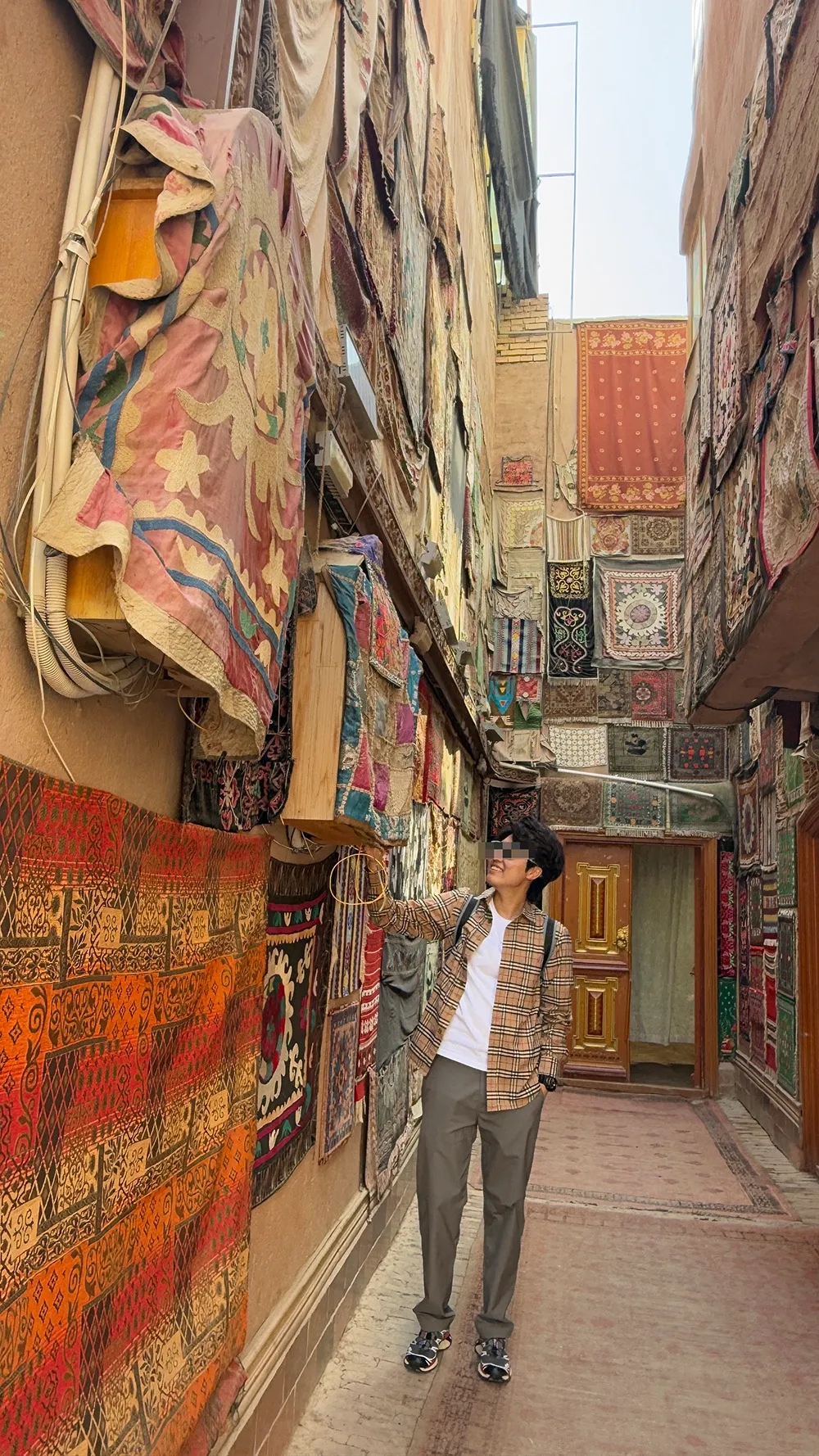
Check visa or visa-exemption eligibility with the Chinese embassy or National Immigration Administration for your passport, travel purpose, length of stay and dates. Carry a valid passport, keep a backup, and have your travel and accommodation details available.
For the Pamirs and other border areas, share your nationality and intended stops before booking so the team can confirm access, documents and processing time. A permit does not mean every location is open to every traveller.
2. Clothing and Outfit Tips
Layering Is Everything
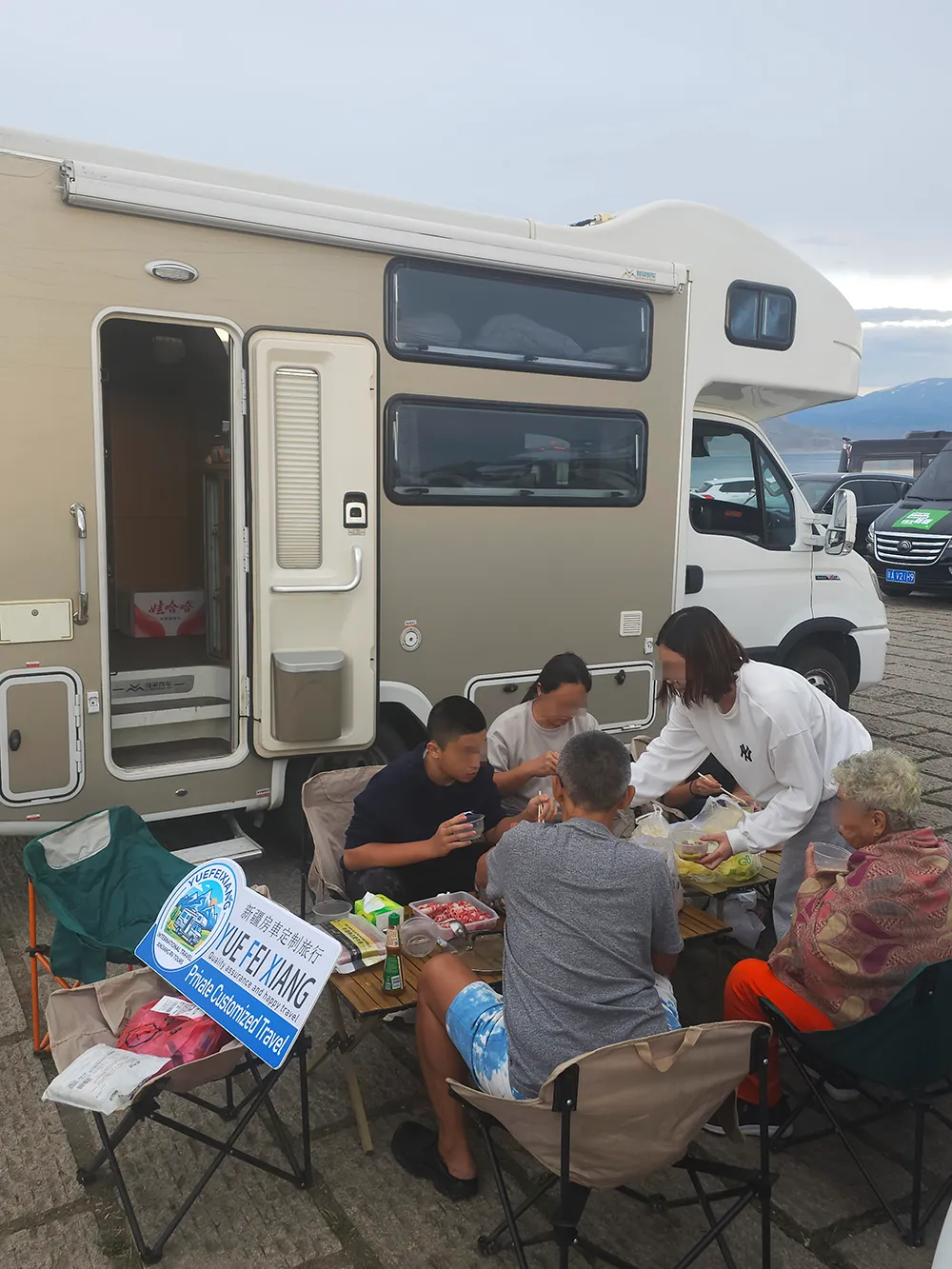
Day-to-night temperature swings in Xinjiang can be dramatic — up to 15 to 20 degrees Celsius. Even in the height of summer, if your journey takes you into the northern mountain regions or high-altitude areas, a windproof and warm outer layer is non-negotiable. Think: a shell jacket with a fleece liner, or a lightweight down jacket. During the day, short sleeves or thin long sleeves work fine; come evening, you will be very glad you packed that extra layer. Our rule of thumb: better to bring one jacket too many than shiver through a sunset you were supposed to enjoy.
Comfortable Footwear
Pack a good pair of slip-resistant hiking shoes or sturdy sneakers. You will be traversing grasslands, gravel gobi, and canyon terrain — high heels or thin-soled flats simply won’t cut it here. A reliable pair of shoes makes the difference between a tiring slog and an effortless adventure.
Sun and Wind Protection Accessories
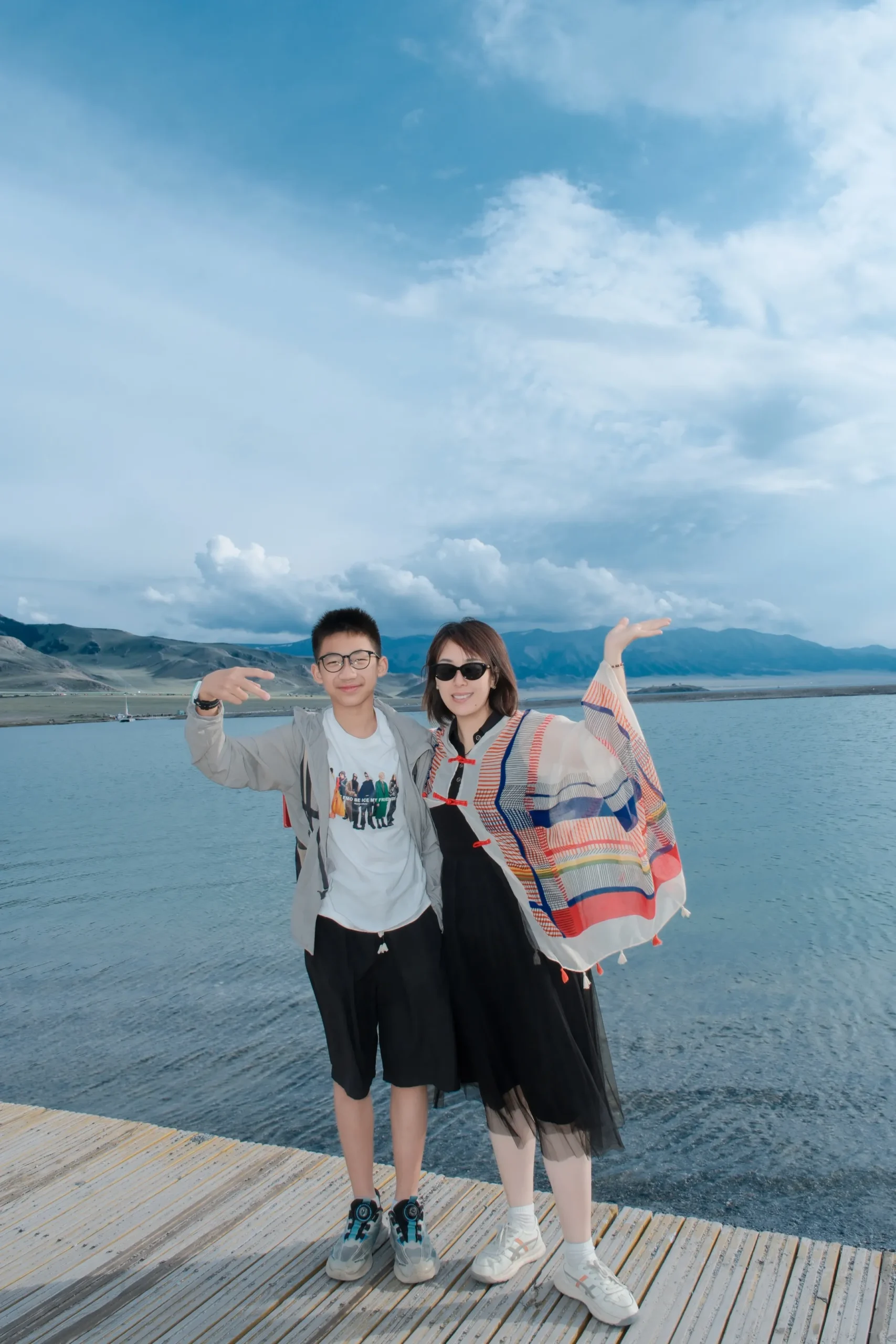
A wide-brimmed sun hat is essential — pick one with a chin strap, because the wind in Xinjiang means business. Polarized sunglasses, a sun scarf, or a bandana rounds out your kit. They shield you from sun and wind-blown sand, and they happen to look fantastic in photos too.
Sun protection and moisturising
Pack sunscreen, a hat, sunglasses and suitable outdoor clothing; reapply sunscreen according to the product instructions. Bring your usual lip balm and moisturiser for dry conditions.
Everyday essentials
Bring chargers, plug adapters and an airline-compliant power bank. Domestic flights in China do not accept power banks without a clear CCC mark or recalled models; also check the airline’s capacity and carriage rules.
Set up payment options and carry some RMB cash. Do not rely on continuous mobile coverage in remote areas. Bring personal medication as advised by your clinician, with prescriptions or documentation.
Access and local etiquette
See the practical advice above.
Confirm visiting arrangements and dress requirements at religious sites, respect restaurant rules and ask before photographing residents. Observe photography restrictions at checkpoints and military facilities.
Get ready before departure
Check documents, clothing, personal medication, payments and communication, then confirm luggage space, scenic transfers and accommodation locations with your team.
6. Packing by Season: Summer, Autumn & Winter
Summer (June–August): short sleeves or light long sleeves, a UV shirt, and a light windproof jacket for cool mountain evenings; sun hat, sunglasses, arm sleeves; rain gear — mountain afternoons often bring quick showers.
Autumn (September–October): mid-layer warmth plus a light down jacket or fleece; sunrise viewpoints at Kanas and Hemu can be near freezing, so gloves and hand warmers pay off; photographers should pack extra memory cards.
Winter (November–March): heavy down jacket, thermal base layers, slip-resistant winter boots, gloves and scarf; temperatures below -20°C are common at Kanas and Hemu, and cold drains phone batteries fast — keep devices warm.
Universal rule: whatever the season, layering plus one windproof outer layer is never wrong.
Altitude and health preparation
Plan high-altitude travel around health and acclimatisation. Children can also develop altitude illness. Seek medical advice before travel if you have a heart or lung condition. Stop ascending if symptoms develop; worsening symptoms require descent and medical help.
8. Luggage, Payments & Connectivity
Luggage: for RV and private-van trips, soft duffels are far easier to stow than hard-shell suitcases. Keep a small daypack for your passport, water and a warm layer — temperatures change fast, so your jacket should be within arm’s reach.
Payments: WeChat Pay and Alipay dominate in cities like Urumqi. Link an international credit card before you leave and carry a small amount of RMB (200–500 yuan) for remote villages. Many foreign cards can be linked directly to Alipay or WeChat Pay.
Connectivity: some international apps and websites are not accessible in mainland China. Download offline maps (e.g., Maps.me) in advance, confirm the messaging apps you rely on (WhatsApp/WeChat) work for you, and consider a local SIM or international roaming for data.
Keep exploring
Put the ideas into a journey.
Northern Xinjiang · 8 days
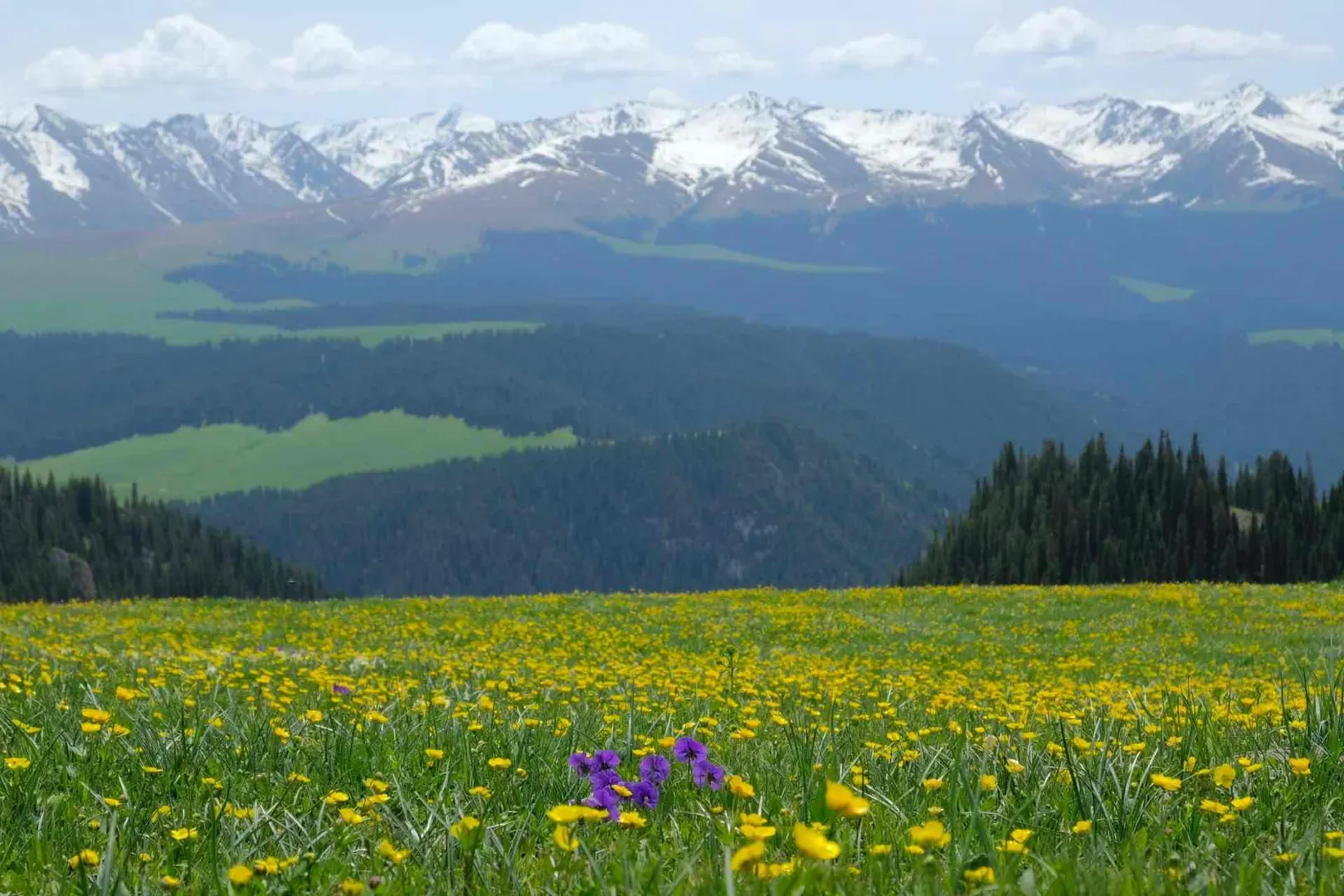
Ili Wilderness Escape
Sayram Lake · Nalati Grassland · A city stay in Yining
RV
Explore this journey ↗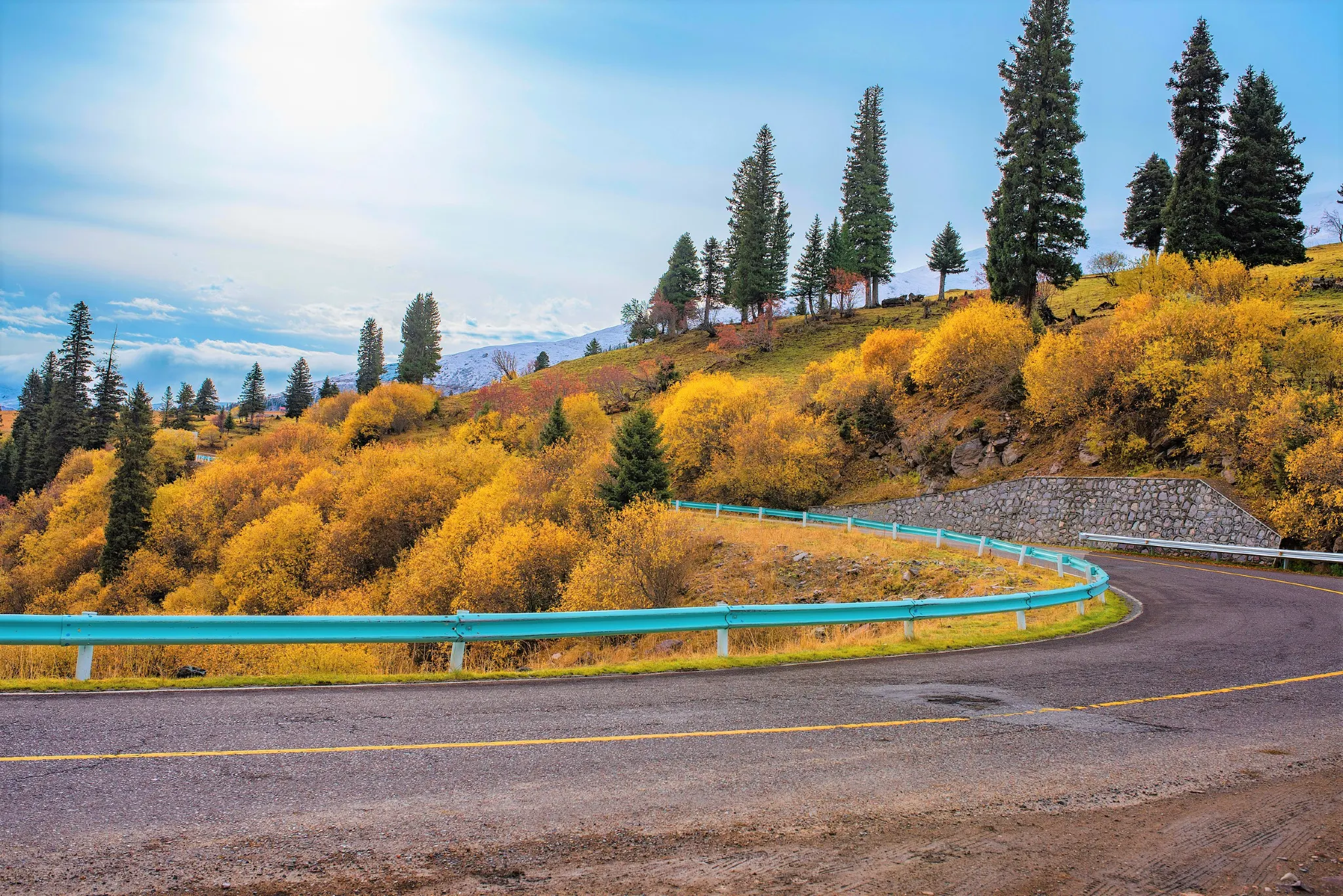
Northern Xinjiang · 8 days
Ili & Tianshan Escape
Sayram Lake · Nalati Grassland · A city stay in Yining
RV + Private vehicle
Explore this journey ↗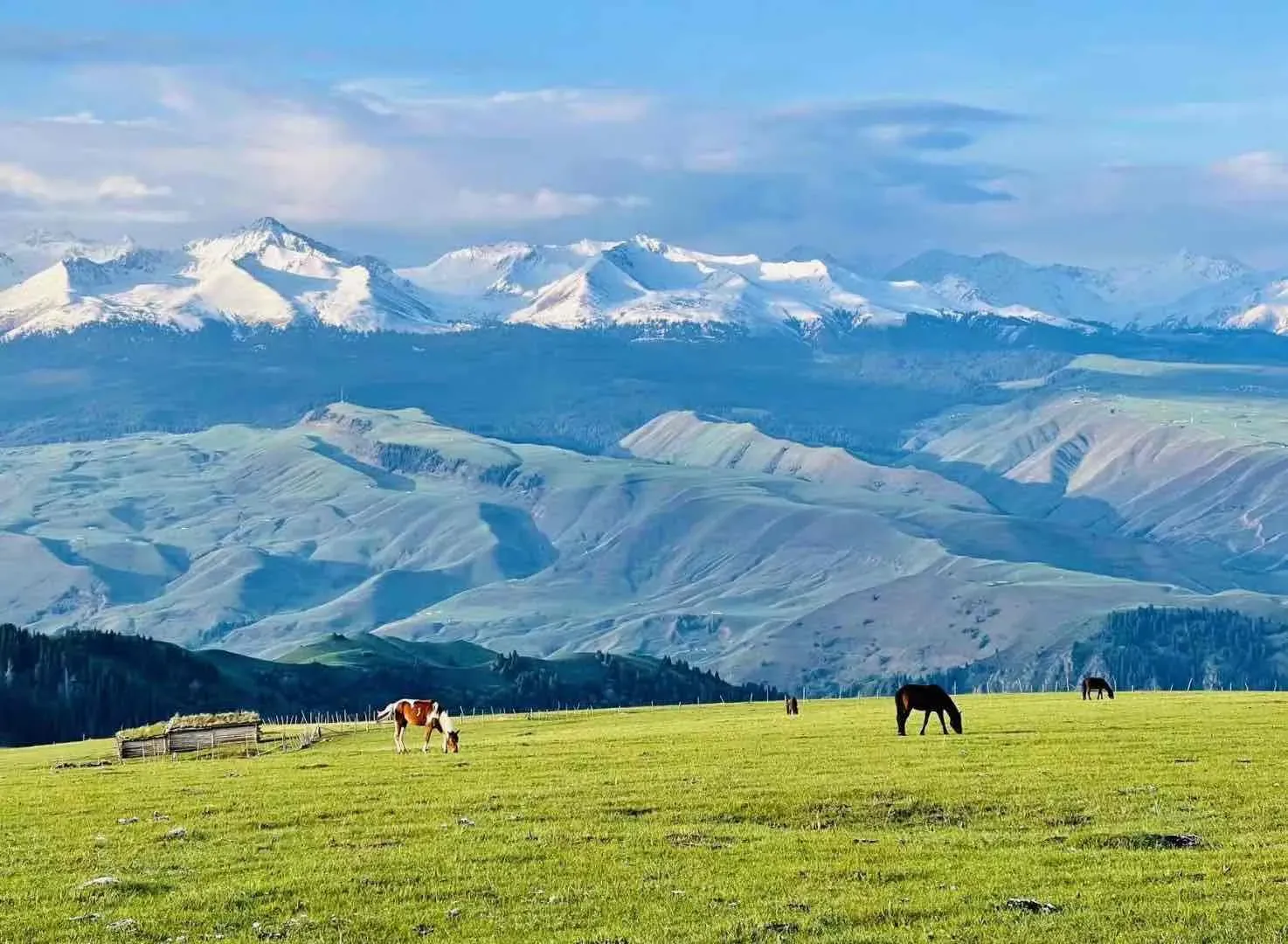
Northern Xinjiang · 9 days
9-Day Ili & Sayram Lake RV Journey
Tangbula · Nalati · Kalajun · Zhaosu · Sayram Lake
Six RV campsite nights · No rail or internal flights
Explore the 9-day RV journey ↗See 28 more journeys
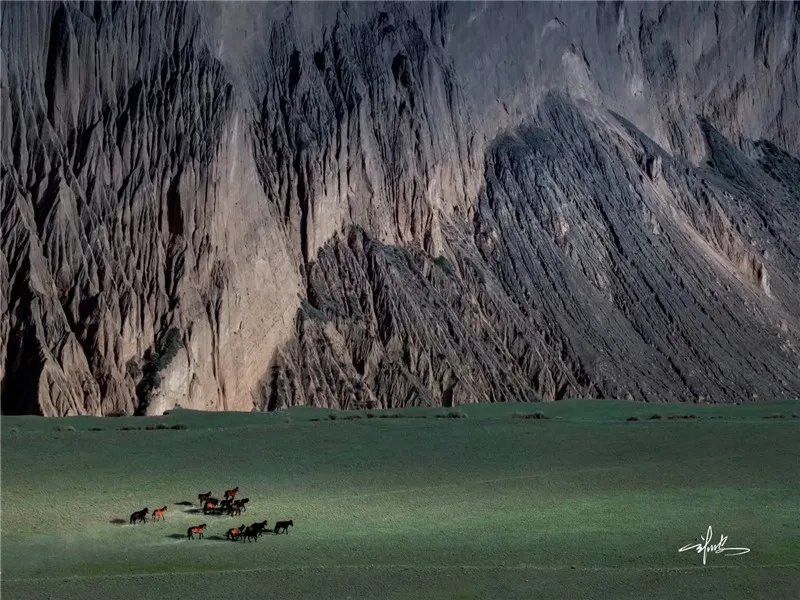
Northern Xinjiang · 9 days
Tianshan Slow Travel Escape
Nalati Grassland · A city stay in Yining
RV + Private vehicle + High-Speed Rail
Explore this journey ↗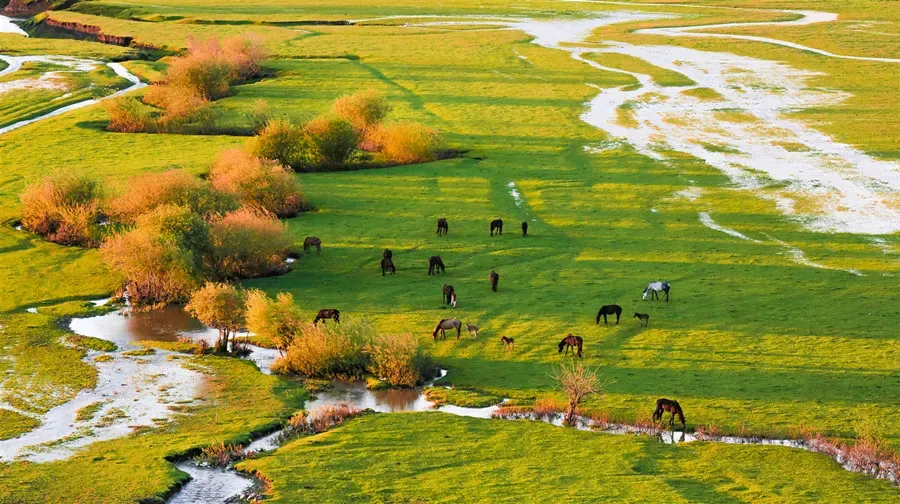
Northern Xinjiang · 10 days
Northern Xinjiang Wilderness Loop
Sayram Lake · Nalati Grassland · A city stay in Yining
RV + Private vehicle + High-Speed Rail
Explore this journey ↗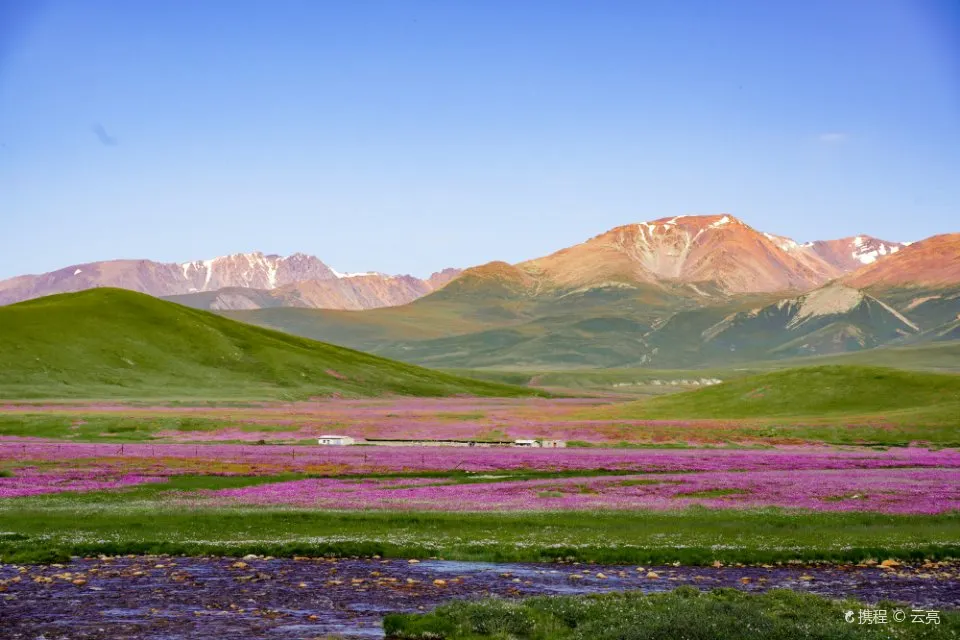
Northern Xinjiang · 10 days
Northern Xinjiang Lakes & Mountains
Nalati · Sayram lakeside camping · Hemu & Kanas cabins
RV + Private vehicle + Intra-Xinjiang Flights
Explore this journey ↗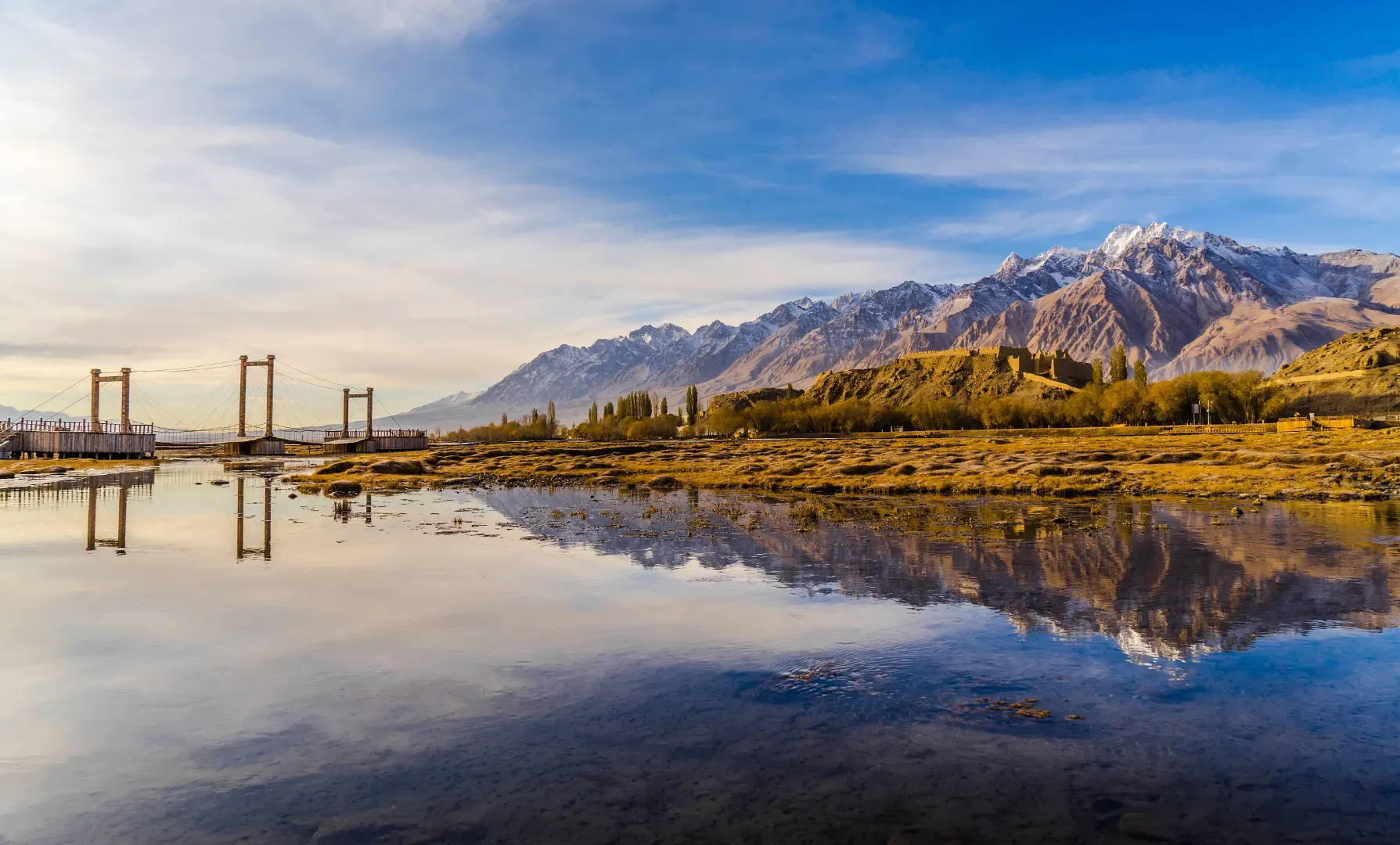
Southern Xinjiang · 10 days
Southern Xinjiang Heritage Journey
Kashgar Old City · Tashkurgan & the Pamir
Private vehicle + Intra-Xinjiang Flights + High-Speed Rail
Explore this journey ↗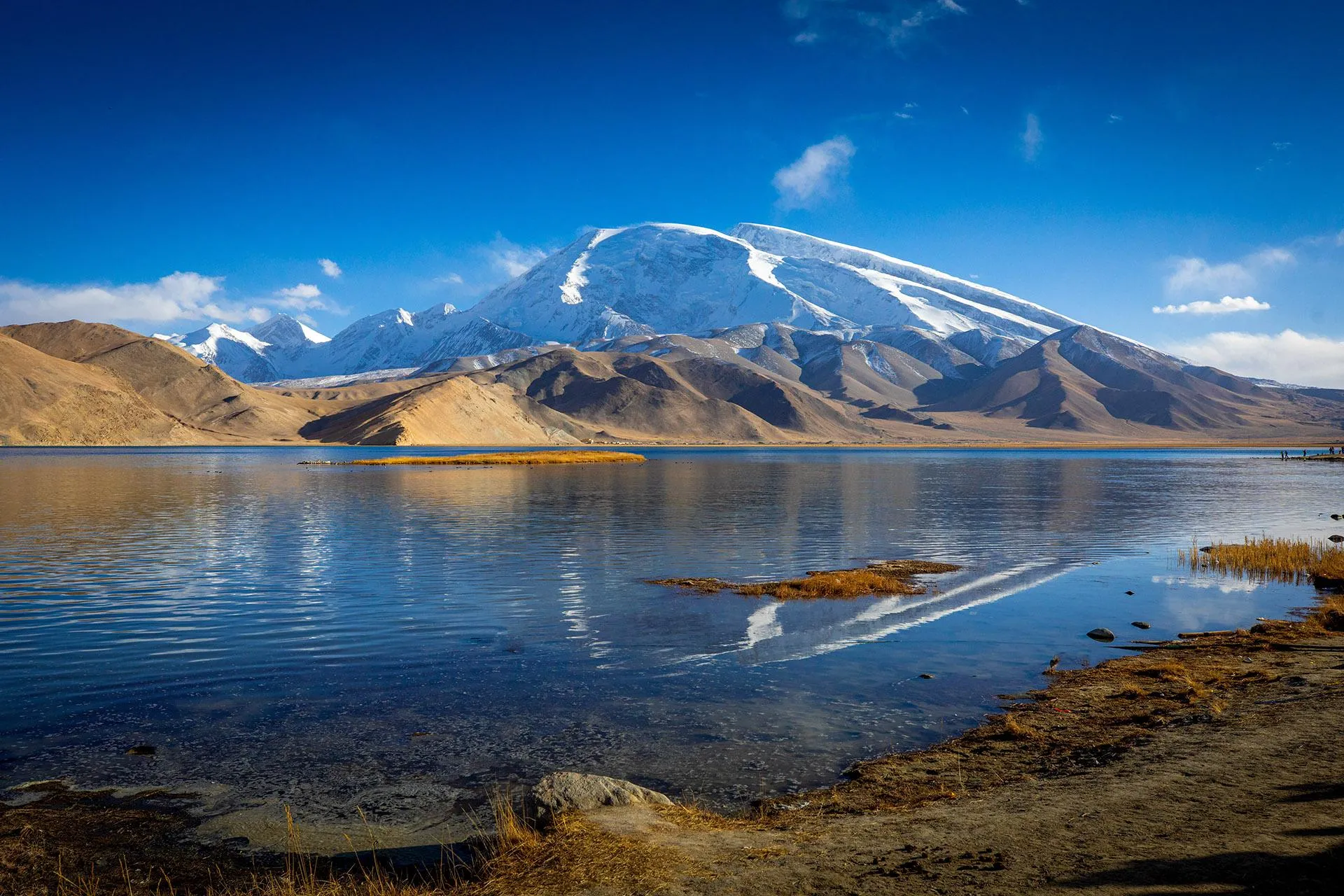
Southern Xinjiang · 10 days
Southern Xinjiang Wilderness Expedition
Kashgar Old City · Tashkurgan & the Pamir
RV
Explore this journey ↗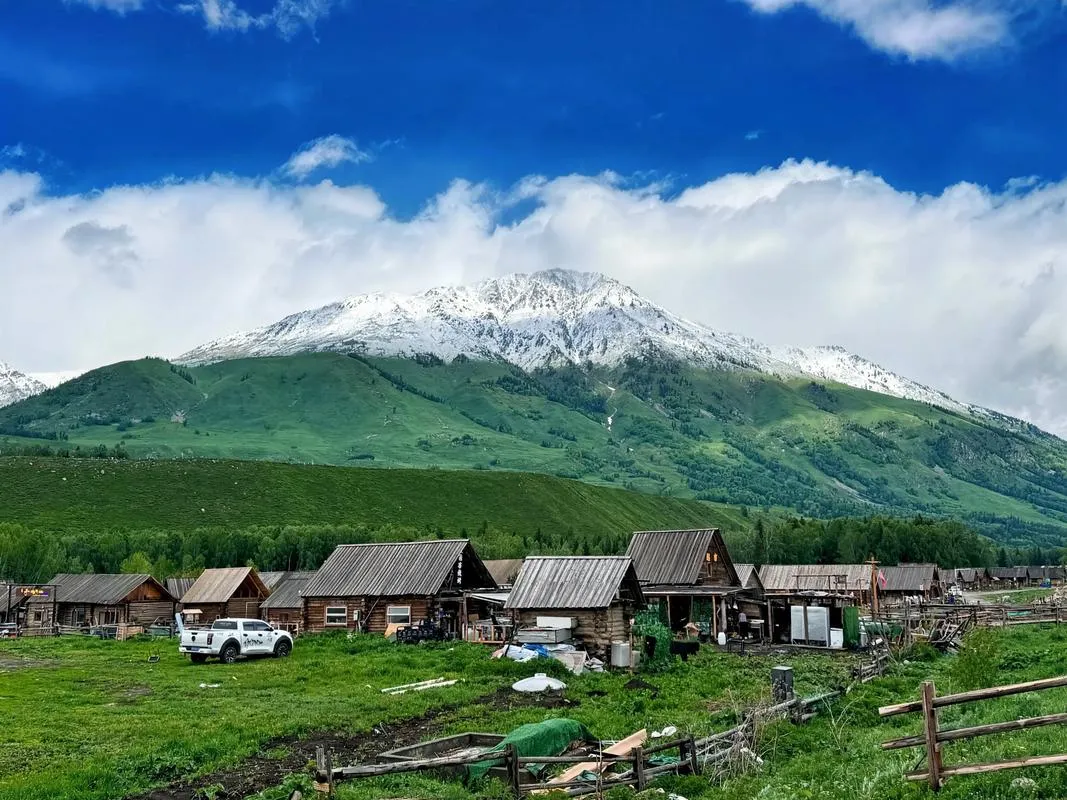
Northern Xinjiang · 10 days
Northern Xinjiang & Ili Golden Route
Kanas · Hemu Village · Sayram Lake
Private vehicle + Intra-Xinjiang Flights
Explore this journey ↗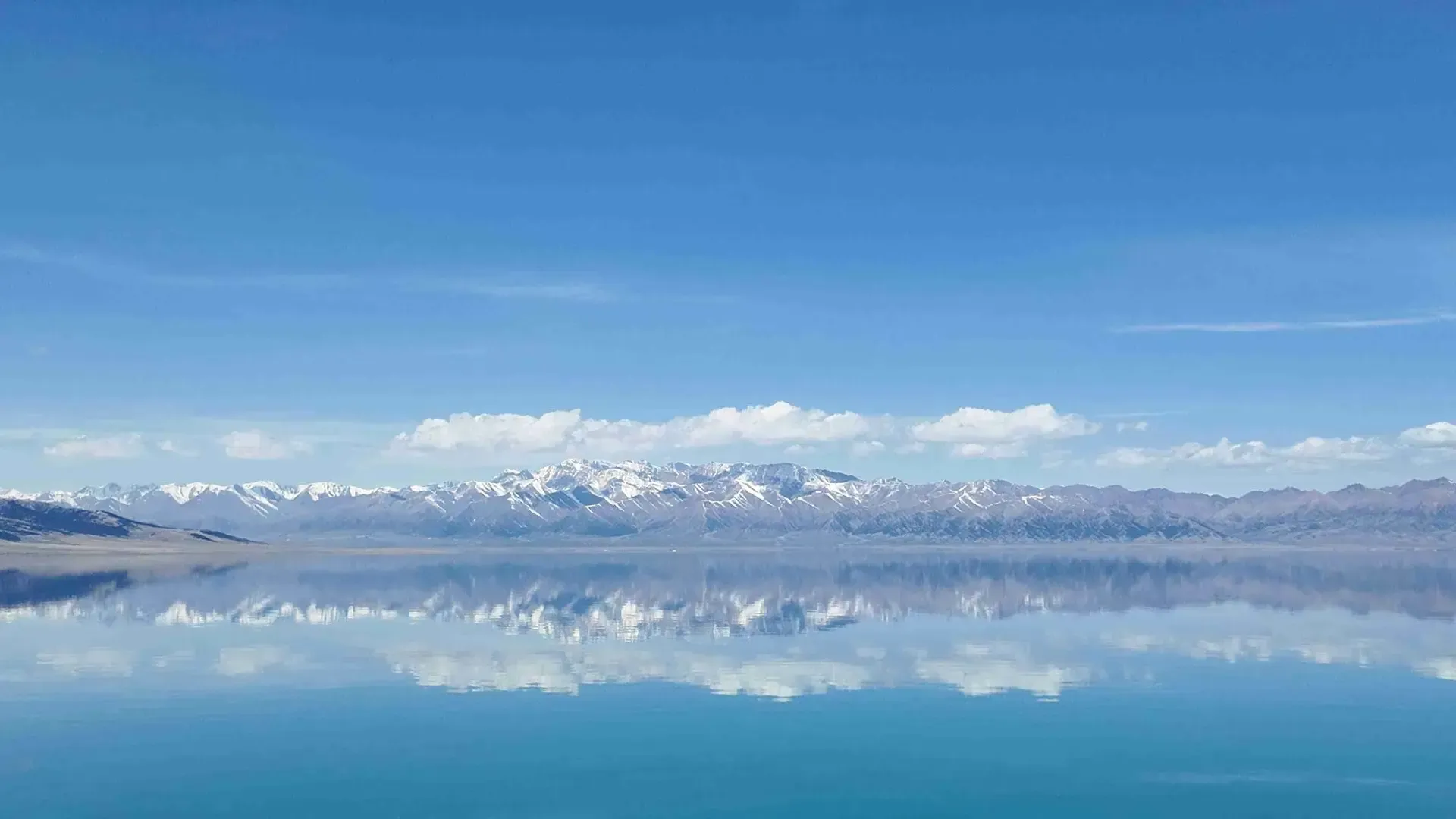
Northern Xinjiang · 10 days
Northern Xinjiang Express
Kanas · Sayram Lake · Nalati Grassland
Private vehicle + Intra-Xinjiang Flights + High-Speed Rail
Explore this journey ↗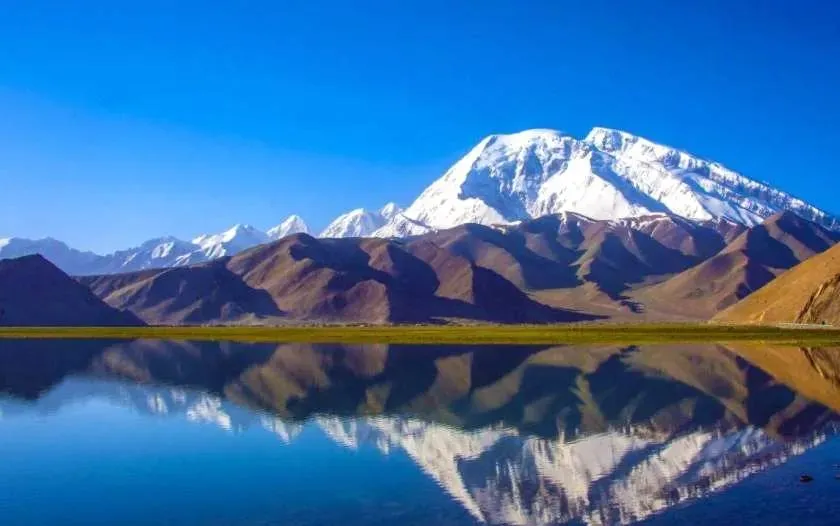
North + South Xinjiang · 10 days
Silk Road & Mountain Escape
Sayram Lake · Nalati Grassland · Tashkurgan & the Pamir
Private vehicle + Intra-Xinjiang Flights + High-Speed Rail
Explore this journey ↗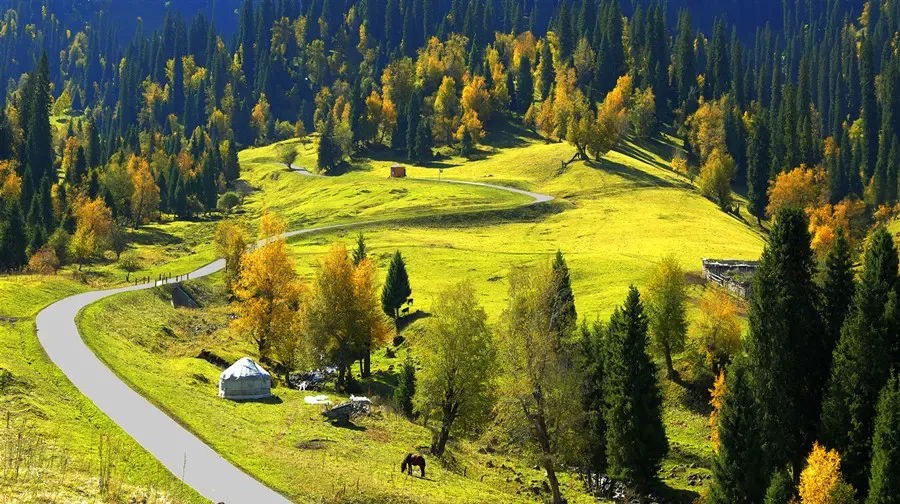
Northern Xinjiang · 10 days
Northern Xinjiang Panorama
Kanas · Hemu Village · Sayram Lake
Private vehicle + Intra-Xinjiang Flights + High-Speed Rail
Explore this journey ↗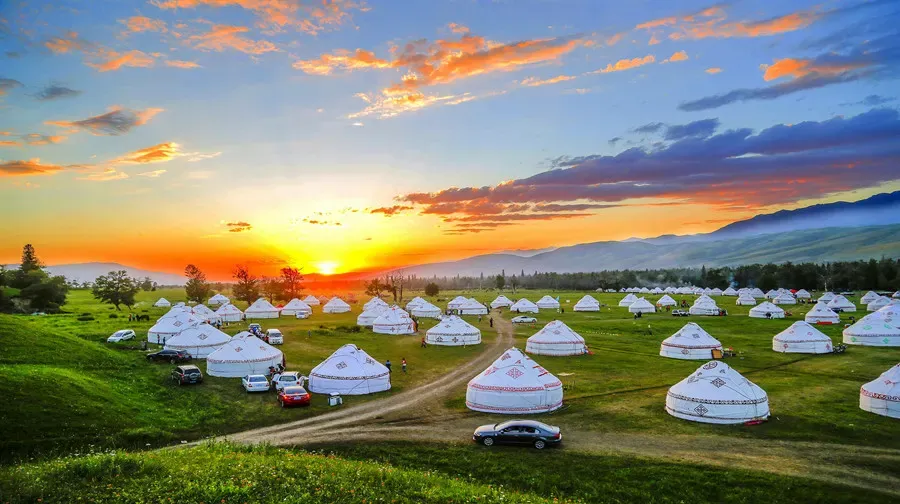
Northern Xinjiang · 10 days
Northern Xinjiang Signature Escape
Kanas · Hemu Village · Sayram Lake
Private vehicle + Intra-Xinjiang Flights + High-Speed Rail
Explore this journey ↗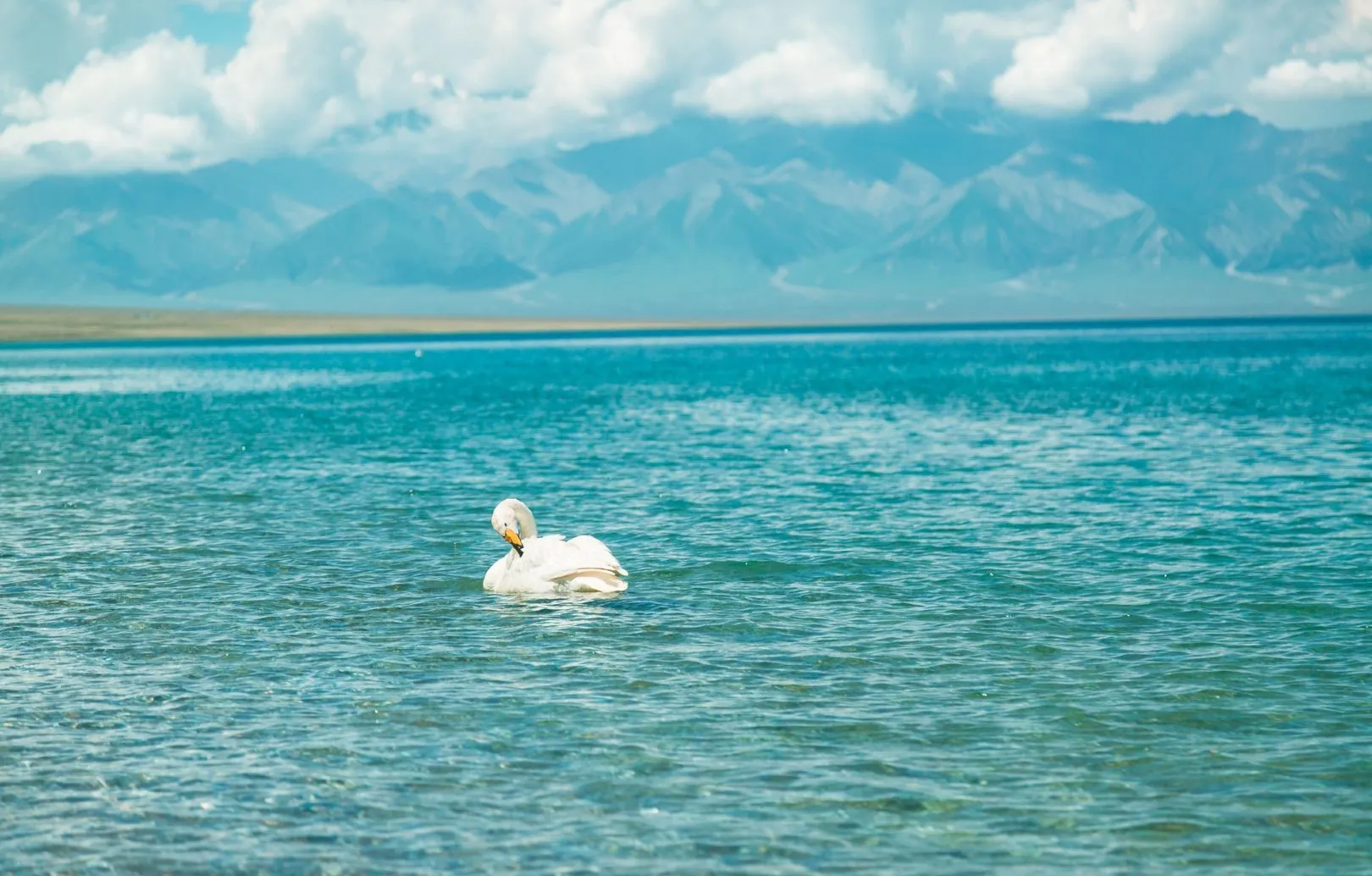
Northern Xinjiang · 10 days
Northern Xinjiang Wilderness Expedition
Sayram Lake · Nalati Grassland · A city stay in Yining
RV + Private vehicle + High-Speed Rail
Explore this journey ↗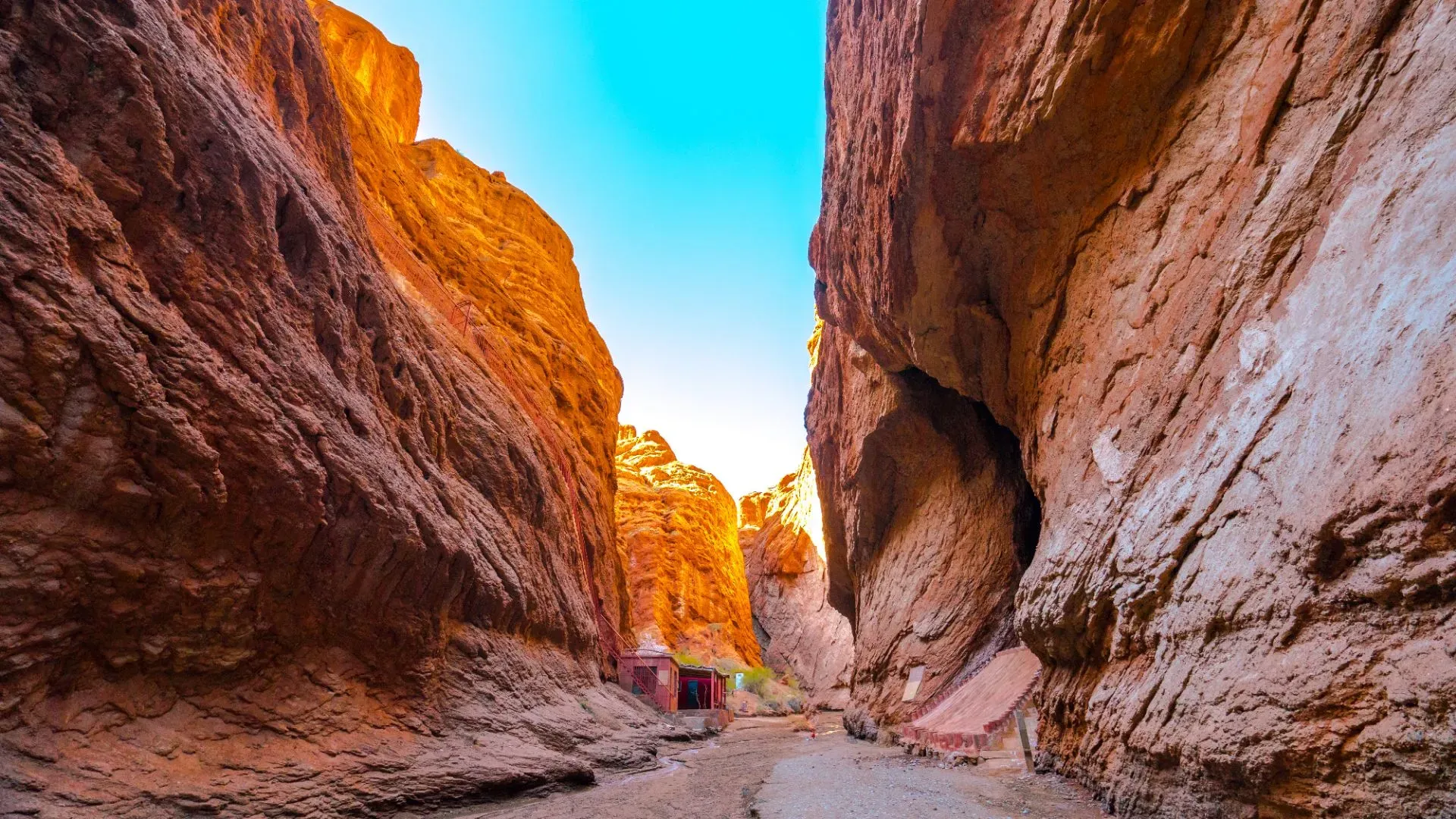
Southern Xinjiang · 10 days
The Poplar & Pamir Odyssey
Kashgar Old City · Tashkurgan & the Pamir
RV + Private vehicle + Intra-Xinjiang Flights
Explore this journey ↗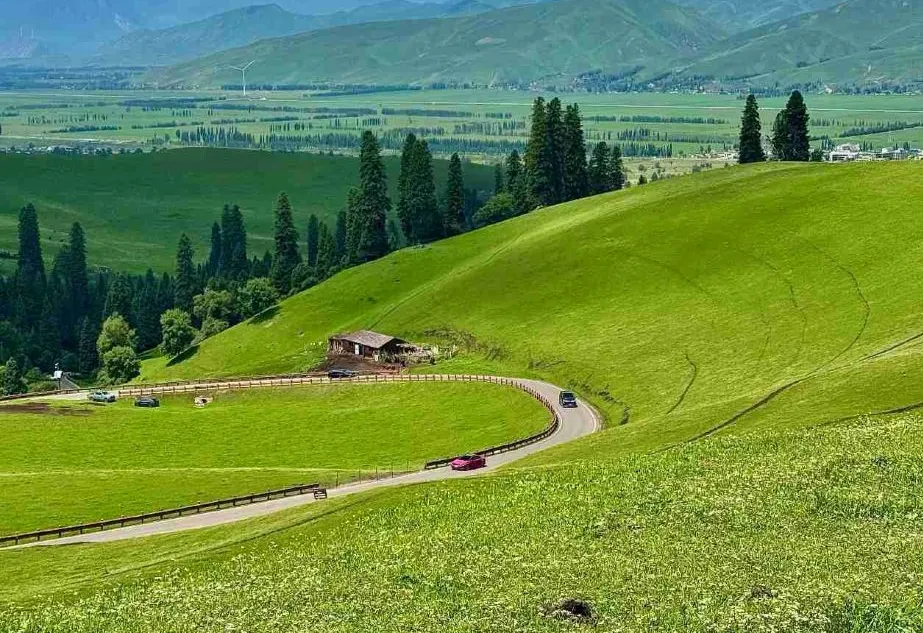
Northern Xinjiang · 11 days
Tianshan Grassland Expedition
Sayram Lake · Nalati Grassland · A city stay in Yining
RV + Private vehicle
Explore this journey ↗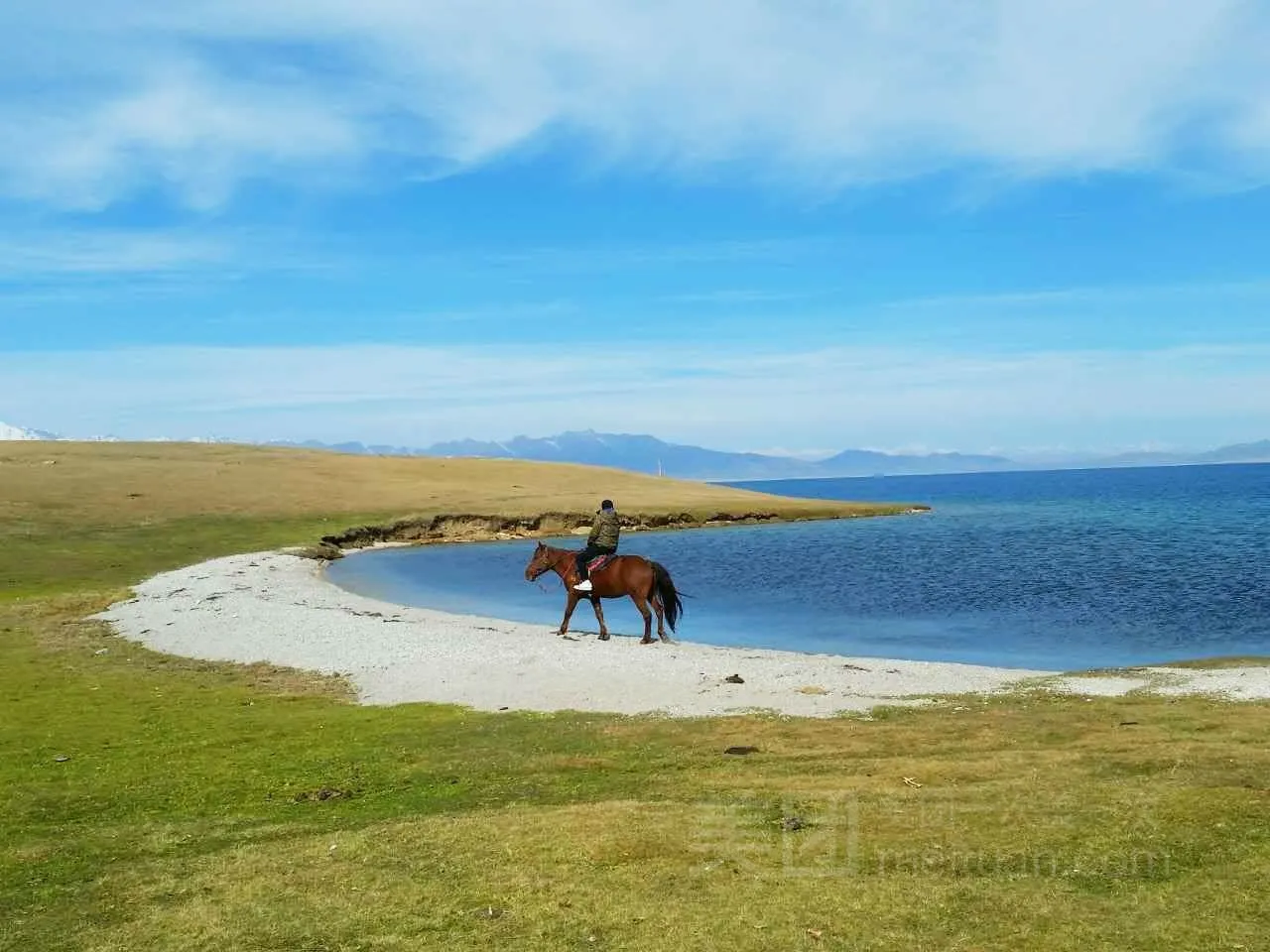
North + South Xinjiang · 12 days
North & South Xinjiang Expedition
Sayram Lake · Nalati Grassland · Kashgar Old City
RV + Private vehicle + Intra-Xinjiang Flights
Explore this journey ↗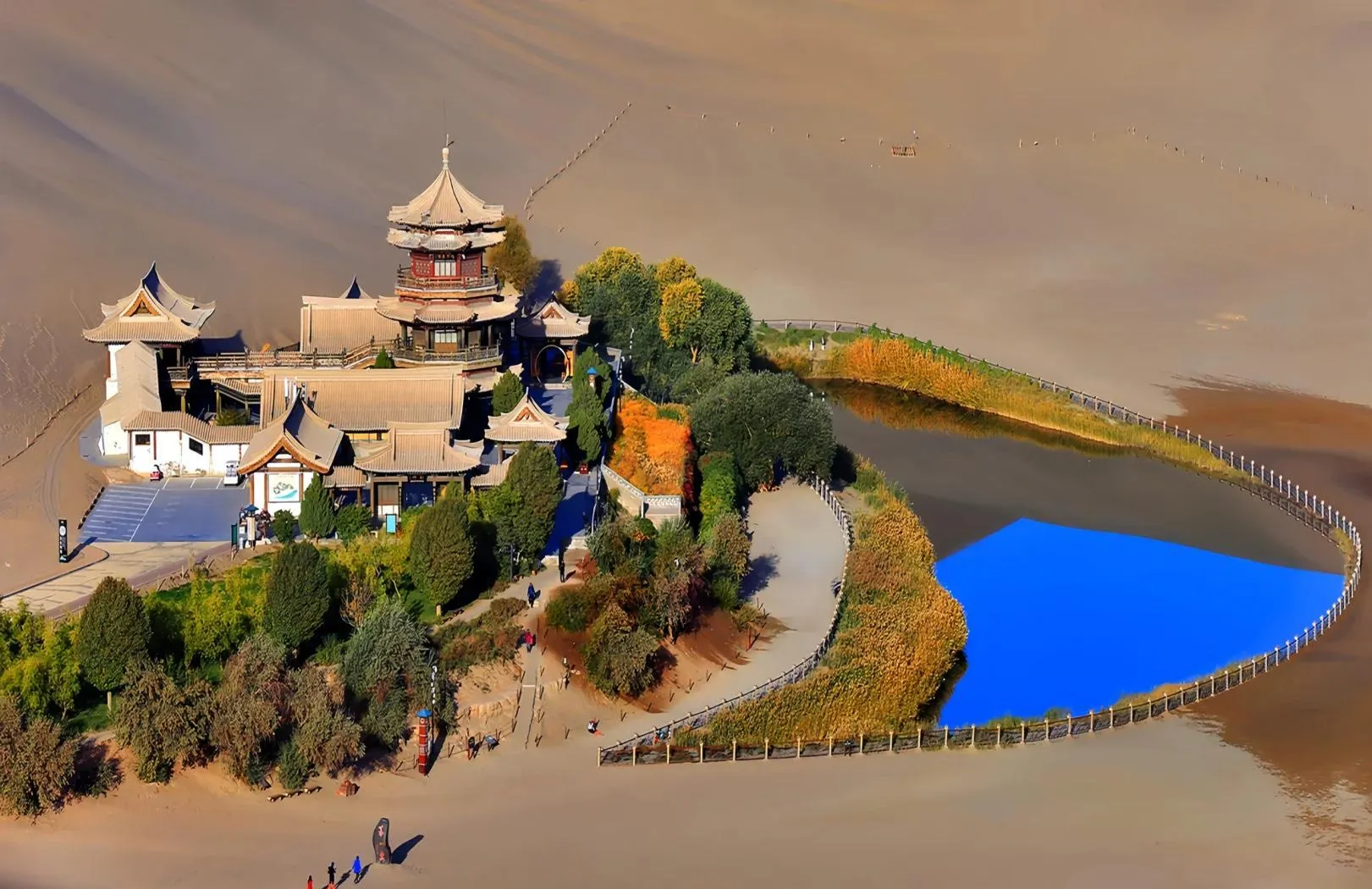
Silk Road extensions · 12 days
Silk Road Heritage Expedition
Kashgar Old City · Tashkurgan & the Pamir · Dunhuang & the Silk Road
Private vehicle + Intra-Xinjiang Flights + High-Speed Rail
Explore this journey ↗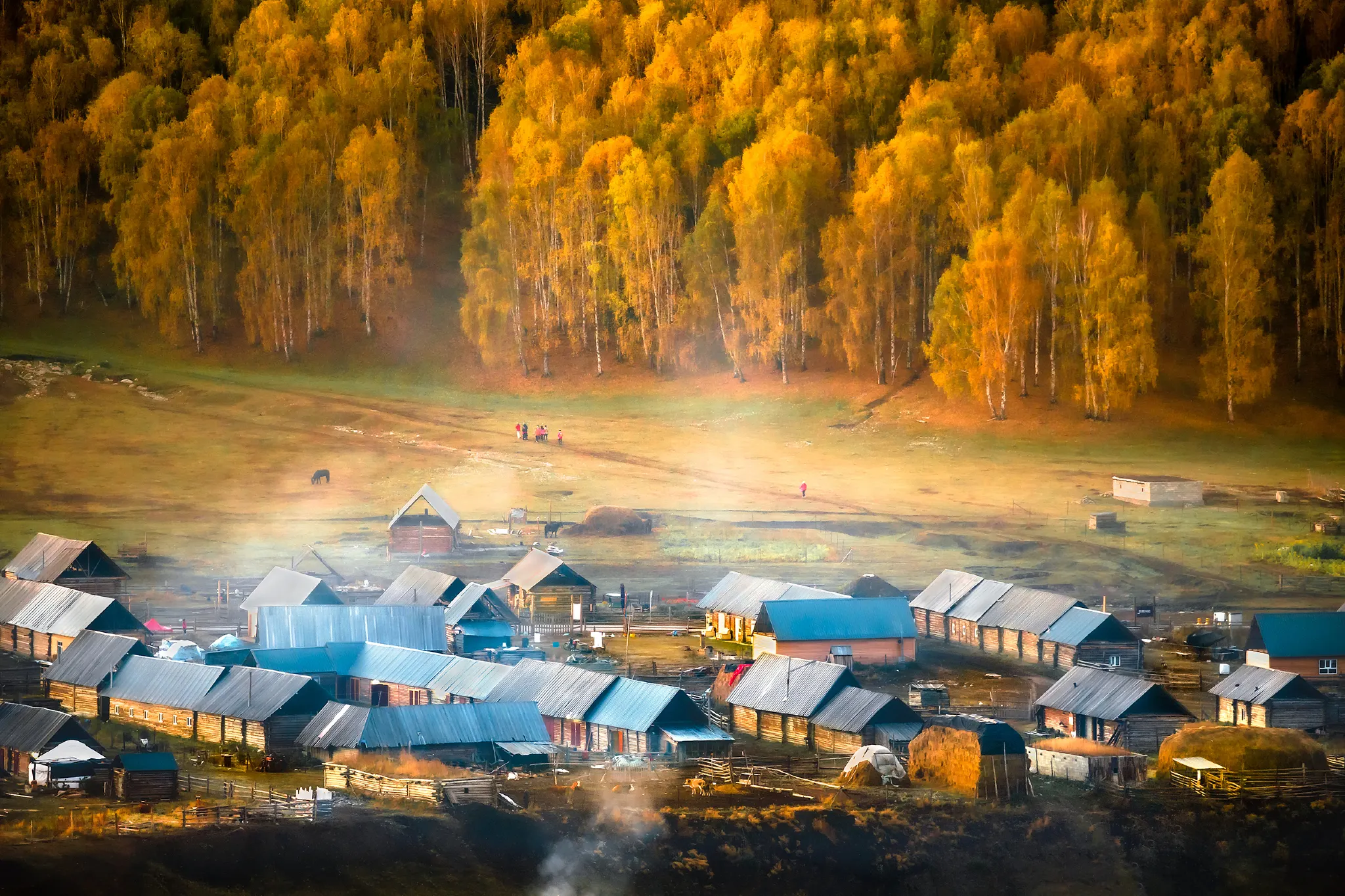
Northern Xinjiang · 12 days
Northern Xinjiang Classic Journey
Kanas · Hemu Village · Nalati Grassland
Private vehicle + Intra-Xinjiang Flights
Explore this journey ↗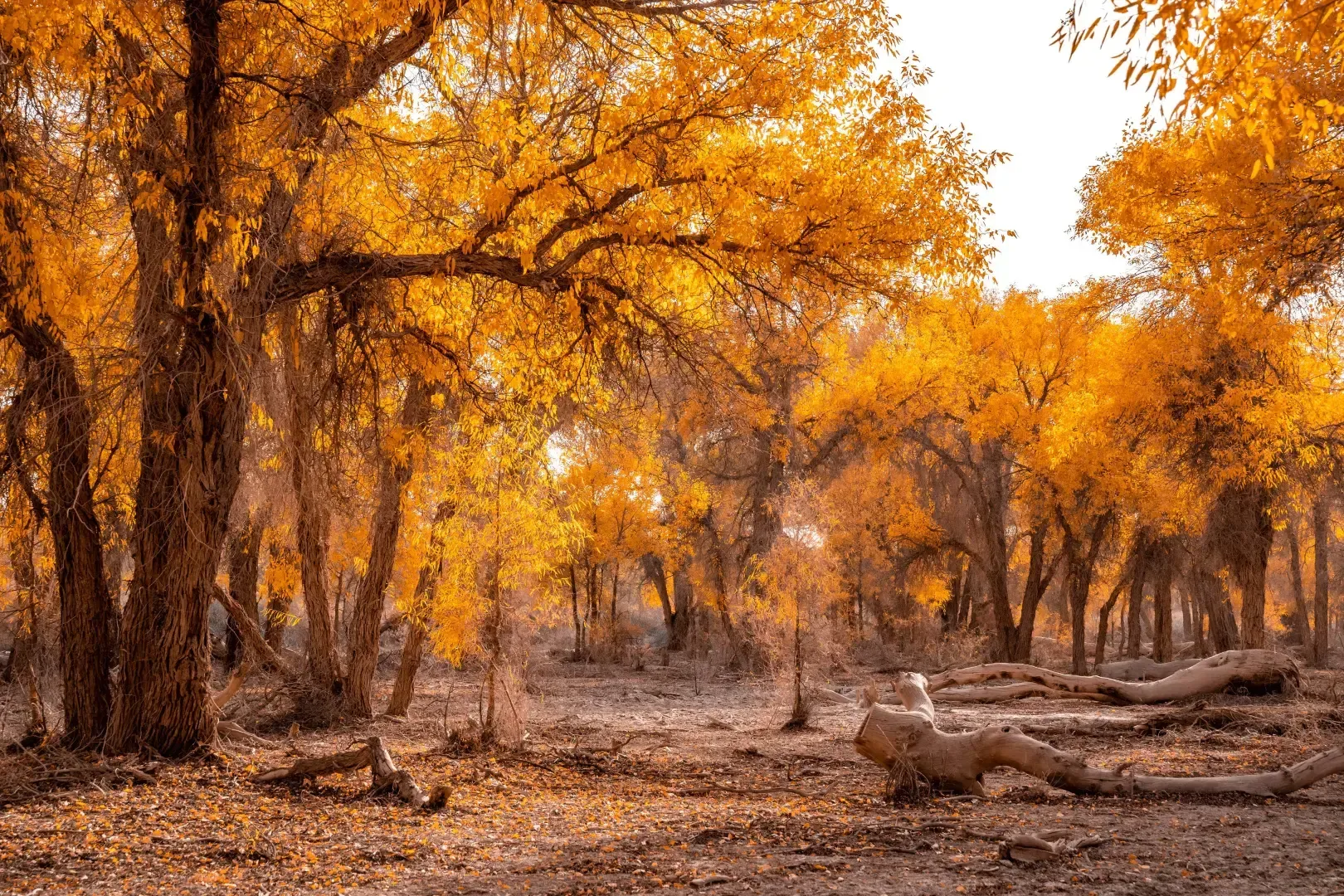
North + South Xinjiang · 12 days
Southern Xinjiang & Ili Expedition
Kashgar Old City · Tashkurgan & the Pamir
Private vehicle + Intra-Xinjiang Flights + High-Speed Rail
Explore this journey ↗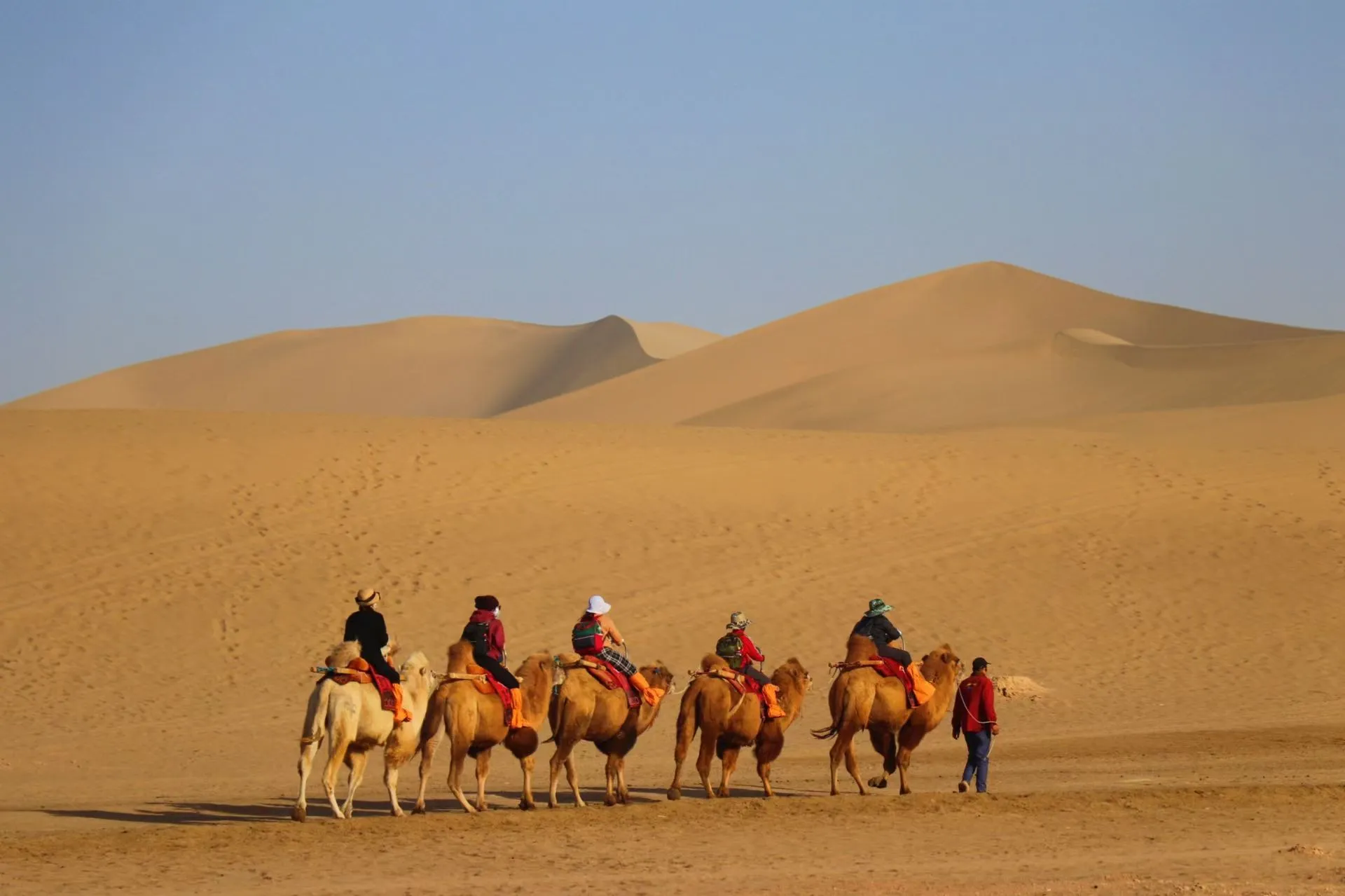
Silk Road extensions · 12 days
From Silk Road to Tianshan
Sayram Lake · Nalati Grassland · Dunhuang & the Silk Road
RV + Private vehicle + High-Speed Rail
Explore this journey ↗
Southern Xinjiang · 12 days
Xinjiang North & South Discovery
Kashgar Old City · Tashkurgan & the Pamir
Private vehicle + Intra-Xinjiang Flights + High-Speed Rail
Explore this journey ↗
Southern Xinjiang · 12 days
Southern Xinjiang Hidden Realms
Kashgar Old City · Tashkurgan & the Pamir
Private vehicle + Intra-Xinjiang Flights + High-Speed Rail
Explore this journey ↗
Northern Xinjiang · 12 days
Tianshan to Altay Wilderness
Kanas · Hemu Village · Sayram Lake
RV + Private vehicle + Intra-Xinjiang Flights
Explore this journey ↗
North + South Xinjiang · 14 days
Xinjiang Grand Discovery
Sayram Lake · Kashgar Old City · Tashkurgan & the Pamir
Private vehicle + Intra-Xinjiang Flights + High-Speed Rail
Explore this journey ↗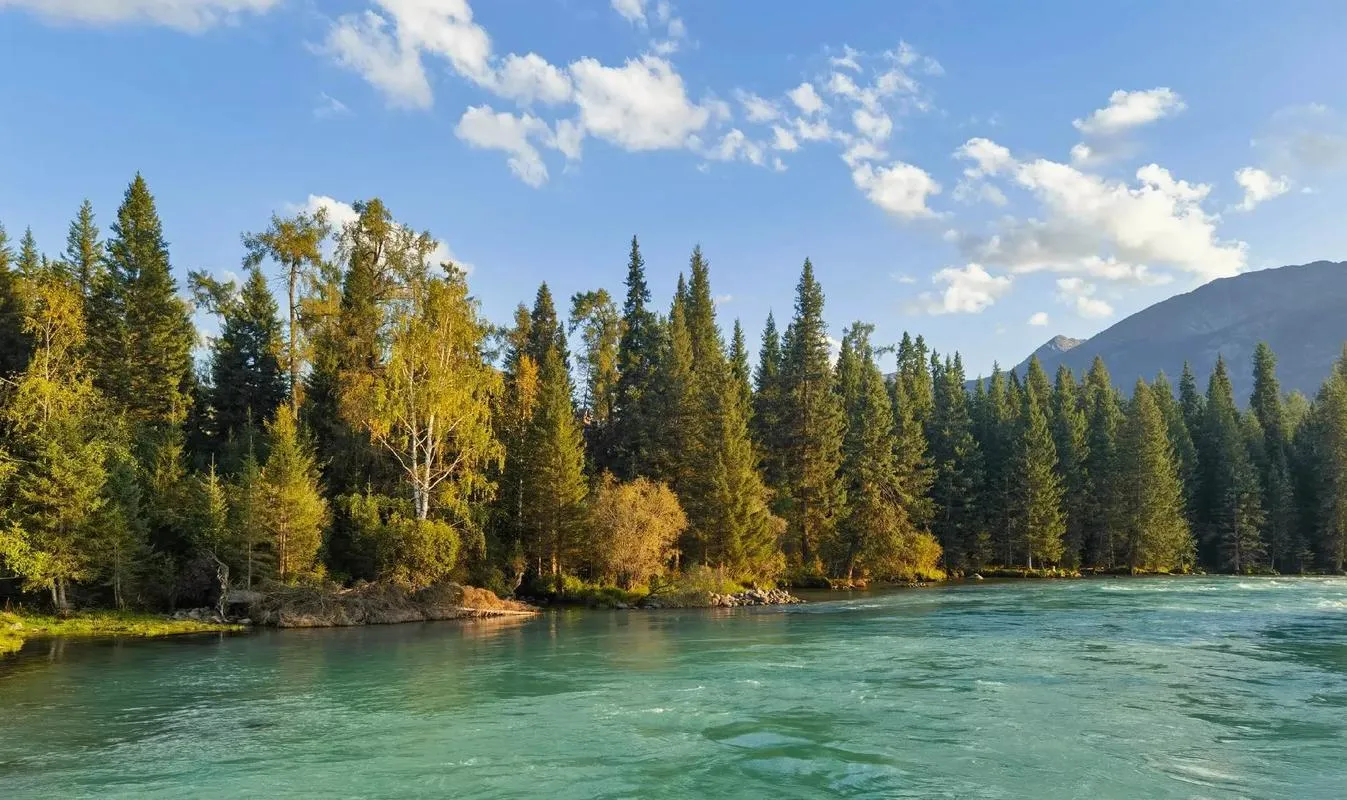
North + South Xinjiang · 14 days
Xinjiang Grand Crossing
Kanas · Sayram Lake · Kashgar Old City
Private vehicle + Intra-Xinjiang Flights + High-Speed Rail
Explore this journey ↗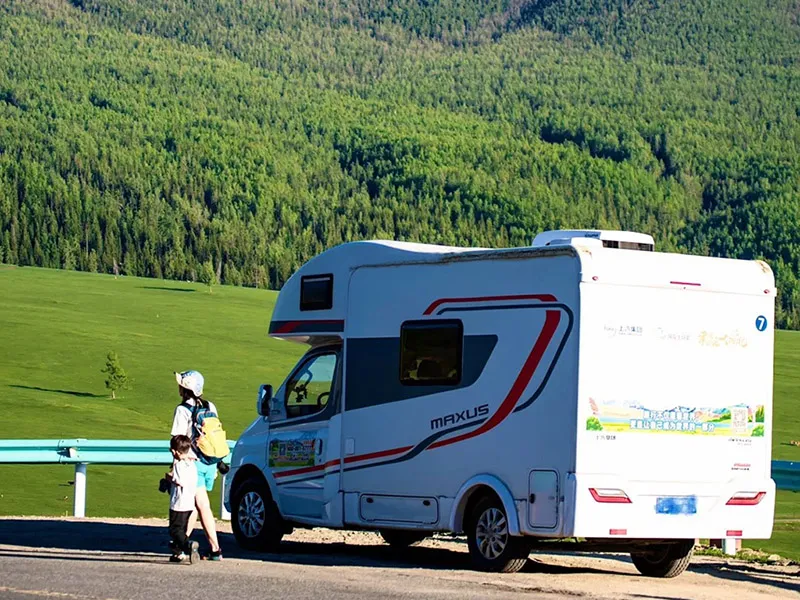
North + South Xinjiang · 14 days
RV Across Xinjiang
Hemu Village · Sayram Lake · Nalati Grassland
RV + Private vehicle + Intra-Xinjiang Flights
Explore this journey ↗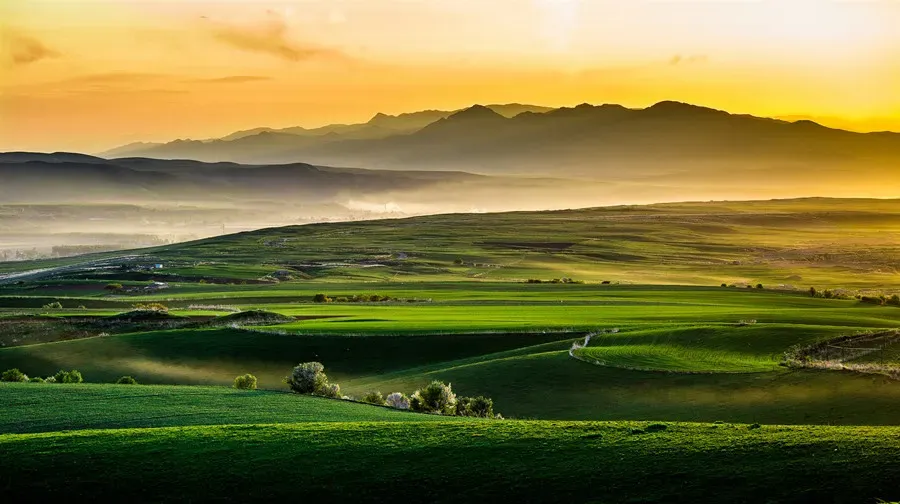
North + South Xinjiang · 14 days
Grand Xinjiang North & South
Kanas · Sayram Lake · Nalati Grassland
RV + Private vehicle + Intra-Xinjiang Flights
Explore this journey ↗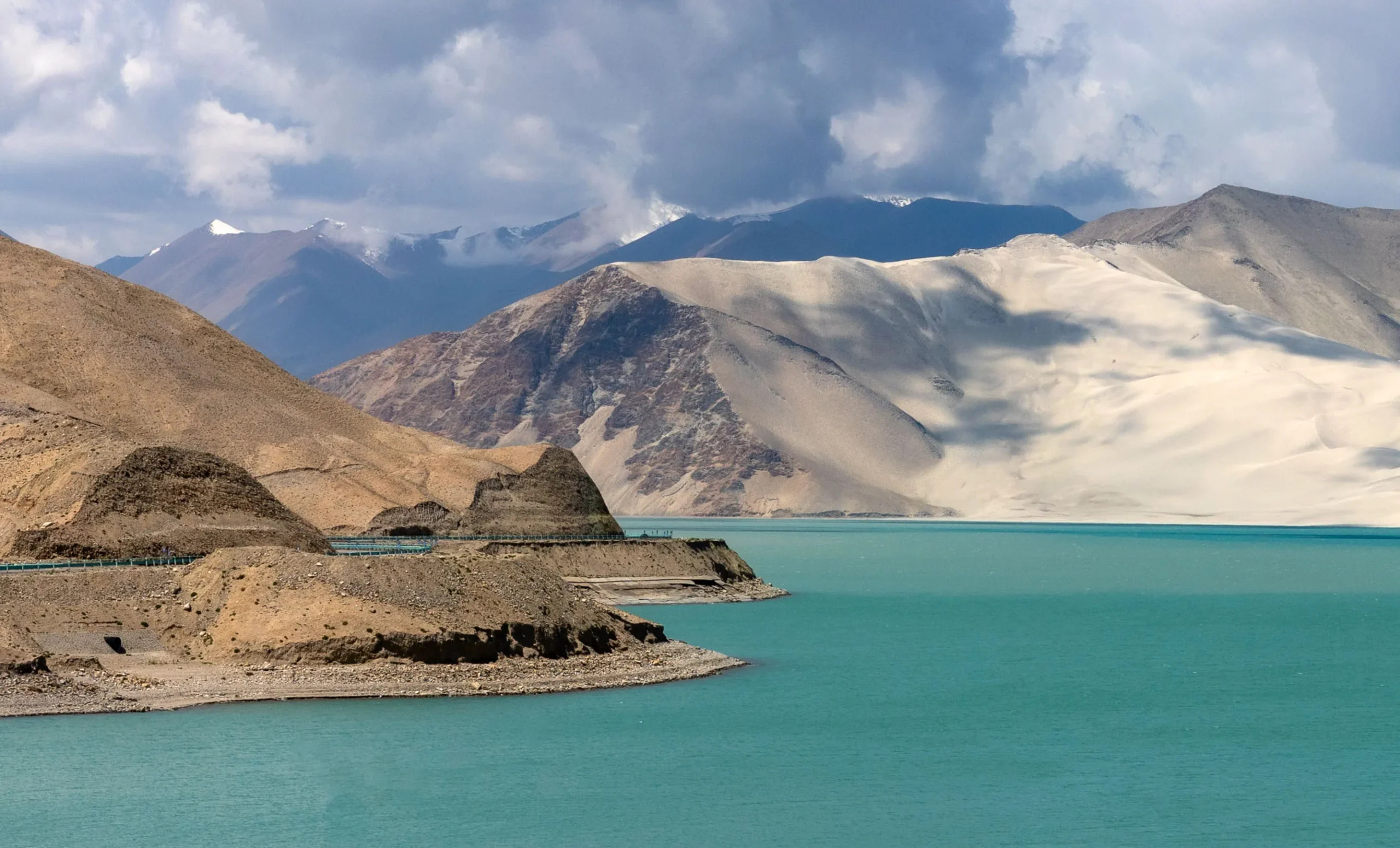
Southern Xinjiang · 14 days
Hidden Kingdoms of the Southern Silk Road
Kashgar Old City · Tashkurgan & the Pamir
Private vehicle + Intra-Xinjiang Flights + High-Speed Rail
Explore this journey ↗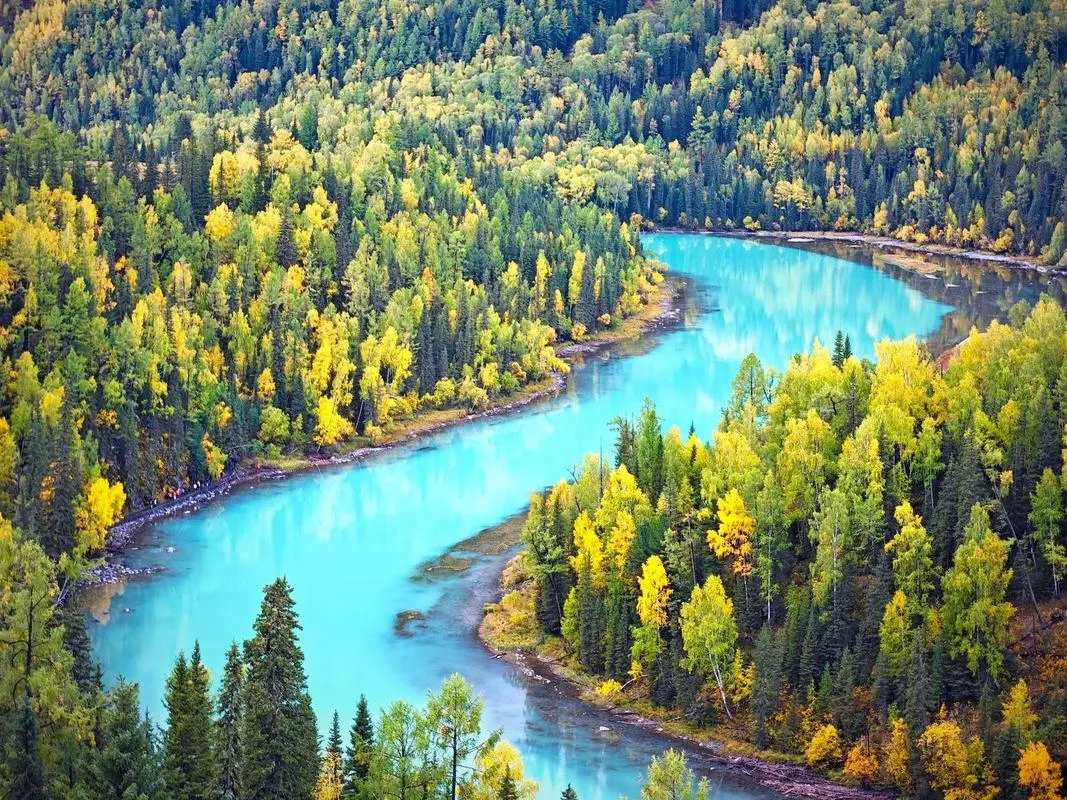
North + South Xinjiang · 15 days
Ultimate Xinjiang Expedition
Hemu Village · Sayram Lake · Nalati Grassland
RV + Private vehicle + Intra-Xinjiang Flights
Explore this journey ↗
Silk Road extensions · 15 days
Silk Road Grand Expedition
Kashgar Old City · Tashkurgan & the Pamir · Dunhuang & the Silk Road
Private vehicle + Intra-Xinjiang Flights + High-Speed Rail
Explore this journey ↗A route around your time
Tell us about your Xinjiang trip.
Your dates. Your companions. The places you want to stay. We’ll suggest how to connect them.